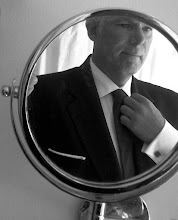
When the Frankie Manning 100 NC decided to hold a DJ battle between legendary bandleaders Chick Webb, Count Basie and Benny Goodman, I chose to represent the king of swing, Benny Goodman. With over 250 mp3s (16+ hours of Benny's recordings), I figured I could easily select 2 hours of music from which to draw my final selections during the dance. Little did I realize the challenge I was setting myself up for.
Realizing the significance of the celebration, I was determined to play only the best of the best for dancers. On my first pass, I whittled my collection down to eight hours. That included skipping some songs I loved but which the other bandleaders were known for doing. Listening to that eight hours, I narrowed the selections down to four hours that swung hard with a month to go till the event -- and that's where the hard work began.
I asked other Benny fans what their favorite Benny recordings were to dance to, which added a few more selections to the list. On the next pass through I listened for musicianship that stood out. There were obvious selections like Lionel Hampton's vibraphones on Moonglow, Gene Krupa's drums on House Hop, the vocal contrast between Martha Tilton and Jimmy Rushing, and of course Benny's marathon clarinet solo on Stealing Apples. Then there was Ziggy Elman, Harry James, Johnny Hodges, and Buck Clayon on trumpet, Jess Stacy or Teddy Wilson on piano, Slam Stewart on bass in Benny's Sextet. How could I showcase a diversity of musicians that left dancers no doubt that Benny Goodman was the band leader supreme?
The next pass through finally whittled my collection down to 2 hours but I noticed that a couple of the recordings sounded a bit "hollow" and I realized the bit rates were low, indicating a lower quality recording, so I went back and found remastered versions of the same recordings that were even more hard driving because of the better quality. During that process, I discovered another 3 hours worth of recordings that I added to my collection and then worked back to 2 hours once again.
Ironically, after 3 months of prep work, when the evening finally rolled around, I still had no idea what I was going to play. Chick Webb opened the night with a set of five selections and it wasn't until his third song that I started to get an idea of what I would play. I wanted to save my best for later when more dancers were present. I was also aware that the room had a lot of echo that would disappear as we got more soft surfaces (bodies wearing cloth) to absorb sound, so I kept the hot trumpets and clarinet in my back pocket and went with sweeter recordings like Rose Room and worked the equalizer accordingly. My second set through, I got a better feel for the larger crowd of dancers and pushed the tempos a bit against what Chick and Basie were laying down.
Meanwhile, the DJ's helped each other out by taking turns in their down time by walking the floor and signaling whether volume levels needed to go up or down... it also gave us the chance to really watch the floor.
My third and final set was all about lining up to close with Bugle Call Rag. It was obvious I was up to something because three people asked me what my impish smile was about as I was building the energy on the floor. I was also caught beating the air drums along with Gene on House Hop. We swung through Minnie the Moocher's Wedding Day, All the Cats Joined In and then it was on -- the opening bugle notes, Abigail Browning and Adam Speen instinctually bursting into clapping directly in front of me and it was jam circle time with the roof coming off the place! I've got to hand it to Count (Kristy) Basie for following up immediately with Jumpin' at the Woodside to keep things going.
Looking back, its amazing how much preparation went into only 1 hour of music and how I could own so much Benny Goodman music and still drop $75 more buying additional recordings.
That's what led me to the thought of the 1 Hour Bandleader Challenge - What if I went through my music collection and assembled a one hour "Best of" collection for each bandleader? Obviously, it would be an unending task; but just imagine how much I would learn and how much more my collection would mean to me and consequently to dancers!
So that's my challenge to other DJs. Let's start really representing the best of bandleaders and lets start battling. Challenge issued!
Monday, May 26, 2014
Tuesday, June 21, 2011
Piedmont, the Forgotten Blues Style
“I’m po’ but I’m ‘round here; I wasn’t invited but I’m down here. We’re trying to have a ball in the hall tonight, I want everybody to come, bring your cleaver ‘cause we’re gonna drink rough stuff, tough stuff, stuff without a bone; if you can’t drink stuff, leave the mess alone.”
- a Piedmont blues house party attendee in “Blues House party: Music, Dance and Stories by Masters of the Piedmont Blues”
HISTORICAL CONTEXT
Piedmont (or east coast) Blues refers to a regional sub-style characteristic of black musicians of the southeastern United States that first gained fame in the 1920’s. Geographically, the Piedmont includes the Appalachian foothills west of the tidewater region and Atlantic coastal plain and stretches from roughly Richmond to Atlanta.
Since Charlotte is in the center of the Piedmont, it became a popular center for early North Carolina blues. As industry and the population more than doubled, musicians began taking notice of the city as a home for recording. But it was actually Durham, a small city wedged between three metropolises, that managed to step into the forefront of blues tradition.
Tobacco's popularity increased Durham's population by thousands between 1865 and 1930. With tobacco came factories and jobs, and with jobs came people with income who liked music. Therefore, musicians would busk outside the tobacco warehouses for workers taking a break, as well as in theaters, barbershops and for house rent parties.
MUSIC THEORY
Generally speaking, the Piedmont blues sound captured ragtime piano rhythms and chord changes within acoustic guitar playing. The rhythm typically played with the piano’s left hand is reproduced with the thumb while the melody played by the right hand is plucked on the treble strings by the forefingers. This is often called "finger-picking style. The guitar style is also highly syncopated.
John Cephas and Phil Wiggins give a great introduction to Piedmont Blues in this performance of "The Dog Days of August" from the 2003 Smithsonian Folklife Festival.
COUNTRY BREAKDOWN HOUSE PARTIES
Most of all, Piedmont blues was good house party music as captured in Eleanor Ellis’s wonderful 1989 documentary film, “Blues House party: Music, Dance and Stories by Masters of the Piedmont Blues” The film runs an hour and is an absolute joy to watch. I can not recommend it highly enough; particularly when the discussion turns to dancing.
DANCE STYLES
If, for some reason you want to skip wild stories of raucous house rent parties with women wrestling a 500 pound hog onto a picnic table, too much moonshine, dancing, and a couple knife fights you can jump 29 minutes in to focus on Piedmont Blues Dancing Styles like the Appalachian solo Buck Dance, Ballin’ the Jack , the Shimmy Sha-sha-wabble, Black bottom, Big Apple, Mess Around, and Kicking the Mule. Plus you'll get to see some impressive vernacular dance!
MUSICIANS OF NOTE
Blind Blake, "the King of Ragtime Guitar", recorded 80 “race record” recordings for Paramount Records between 1926 and 1932 including, "That Will Happen No More" (1927). Some of you may find yourself singing, "Your Baby Ain’t Sweet Like Mine."
Peg Leg Howell, a one legged harmonica player from Atlanta recorded the Peg Leg Stomp (1927). Anyone else thinking Bugle Call Rag?
Atlanta’s Buddy Moss recorded the Stinging Nettle Blues in 1934.
Blind Boy Fuller from Durham, NC was one of the best known original Piedmont musicians. Here’s a recording of Step It Up and Go (1940) with guitar and washboard.
Josh White of Greenville, SC was the youngest artist of the “race records” era. While he remained poor and shoeless and slept in the horse stable, Paramount Record and Okeh Records made a good profit on recordings like Evil Man Blues (1934).
The Next Generation
In contrast, musicians like Rev. Gary Davis from Laurens, SC recorded up until almost 1970. Here's his "Death Don't Have No Mercy", which really benefits from the vast improvements in sound recording technologies.
Meanwhile, Harmonica player Sonny Terry (Greensboro) and Brownie McGhee (Knoxville) broke into huge popularity with fans of folk music in the 1950’s and 60’s with Sonny Terry’s joyous whoops between raucous harp blasts and Brownie’s traditional picking style. Just try to stay still during this live recording of their Cornbread and Peas (1966)
Drawing inspiration from them were clearly Virginia's John Cephas and Phil Wiggins who played into the late 1980’s. Richmond Blues (1989)
THE GREAT MATRIARCH
Lastly, I’ll introduce you to Etta Baker of Morganton, North Carolina who was born in 1913 and began playing guitar at the age of 3. Etta was the premier Piedmont blues guitar instrumentalist until passing away in 2006 at the age of 96 (and leaving behind 108 family members!)
Here's a clip of Etta giving away all her guitar secrets as she teaches viewers to play "On the Other Hand Baby"
And we’ll fade out with her playing one of my favorite songs to DJ, "Comb Blues", recorded with Taj Mahal in 2004.
- a Piedmont blues house party attendee in “Blues House party: Music, Dance and Stories by Masters of the Piedmont Blues”
HISTORICAL CONTEXT
Piedmont (or east coast) Blues refers to a regional sub-style characteristic of black musicians of the southeastern United States that first gained fame in the 1920’s. Geographically, the Piedmont includes the Appalachian foothills west of the tidewater region and Atlantic coastal plain and stretches from roughly Richmond to Atlanta.
Since Charlotte is in the center of the Piedmont, it became a popular center for early North Carolina blues. As industry and the population more than doubled, musicians began taking notice of the city as a home for recording. But it was actually Durham, a small city wedged between three metropolises, that managed to step into the forefront of blues tradition.
Tobacco's popularity increased Durham's population by thousands between 1865 and 1930. With tobacco came factories and jobs, and with jobs came people with income who liked music. Therefore, musicians would busk outside the tobacco warehouses for workers taking a break, as well as in theaters, barbershops and for house rent parties.
MUSIC THEORY
Generally speaking, the Piedmont blues sound captured ragtime piano rhythms and chord changes within acoustic guitar playing. The rhythm typically played with the piano’s left hand is reproduced with the thumb while the melody played by the right hand is plucked on the treble strings by the forefingers. This is often called "finger-picking style. The guitar style is also highly syncopated.
John Cephas and Phil Wiggins give a great introduction to Piedmont Blues in this performance of "The Dog Days of August" from the 2003 Smithsonian Folklife Festival.
COUNTRY BREAKDOWN HOUSE PARTIES
Most of all, Piedmont blues was good house party music as captured in Eleanor Ellis’s wonderful 1989 documentary film, “Blues House party: Music, Dance and Stories by Masters of the Piedmont Blues” The film runs an hour and is an absolute joy to watch. I can not recommend it highly enough; particularly when the discussion turns to dancing.
DANCE STYLES
If, for some reason you want to skip wild stories of raucous house rent parties with women wrestling a 500 pound hog onto a picnic table, too much moonshine, dancing, and a couple knife fights you can jump 29 minutes in to focus on Piedmont Blues Dancing Styles like the Appalachian solo Buck Dance, Ballin’ the Jack , the Shimmy Sha-sha-wabble, Black bottom, Big Apple, Mess Around, and Kicking the Mule. Plus you'll get to see some impressive vernacular dance!
MUSICIANS OF NOTE
Blind Blake, "the King of Ragtime Guitar", recorded 80 “race record” recordings for Paramount Records between 1926 and 1932 including, "That Will Happen No More" (1927). Some of you may find yourself singing, "Your Baby Ain’t Sweet Like Mine."
Peg Leg Howell, a one legged harmonica player from Atlanta recorded the Peg Leg Stomp (1927). Anyone else thinking Bugle Call Rag?
Atlanta’s Buddy Moss recorded the Stinging Nettle Blues in 1934.
Blind Boy Fuller from Durham, NC was one of the best known original Piedmont musicians. Here’s a recording of Step It Up and Go (1940) with guitar and washboard.
Josh White of Greenville, SC was the youngest artist of the “race records” era. While he remained poor and shoeless and slept in the horse stable, Paramount Record and Okeh Records made a good profit on recordings like Evil Man Blues (1934).
The Next Generation
In contrast, musicians like Rev. Gary Davis from Laurens, SC recorded up until almost 1970. Here's his "Death Don't Have No Mercy", which really benefits from the vast improvements in sound recording technologies.
Meanwhile, Harmonica player Sonny Terry (Greensboro) and Brownie McGhee (Knoxville) broke into huge popularity with fans of folk music in the 1950’s and 60’s with Sonny Terry’s joyous whoops between raucous harp blasts and Brownie’s traditional picking style. Just try to stay still during this live recording of their Cornbread and Peas (1966)
Drawing inspiration from them were clearly Virginia's John Cephas and Phil Wiggins who played into the late 1980’s. Richmond Blues (1989)
THE GREAT MATRIARCH
Lastly, I’ll introduce you to Etta Baker of Morganton, North Carolina who was born in 1913 and began playing guitar at the age of 3. Etta was the premier Piedmont blues guitar instrumentalist until passing away in 2006 at the age of 96 (and leaving behind 108 family members!)
Here's a clip of Etta giving away all her guitar secrets as she teaches viewers to play "On the Other Hand Baby"
And we’ll fade out with her playing one of my favorite songs to DJ, "Comb Blues", recorded with Taj Mahal in 2004.
Tuesday, March 15, 2011
So You Want To Be a Lindy Hop Event Organizer?
Introduction
Borrowing a page from Nick Williams blog entry http://www.swingnick.com/?p=196 I thought I’d share some lessons and tips learned over the years doing one of the things I love to do - organizing events. In my own hopefully humorous way I hope to share a glimpse into the realities and challenges of running an event that makes other people happy without making you lose your shirt. I’d also like to especially thank organizers like Michael Gamble (Lindy Focus)and Martin Beally (Emerald City Blues Festival) and my friend Mike the girl Legett for the wisdom they’ve shared over the years to make this post possible.
First off, let’s talk about what running a dance event is and is not.
Running a dance event is about having:
- a clear, focused vision and detailed business plan
- the necessary physical, financial and human resources
- the commitment to will something into being for (probably) little reward more than sharing the love of dance
- a willingness to lose tremendous amounts of sleep and all your free time
- the commitment to take professional responsibility and all financial risk for an event
- a thick enough skin to hear and read what others say you are doing horribly wrong or they could do better.
Running a successful dance event is not:
- a popularity contest
- a golden meal ticket that guarantees other people will pick up the bill for you throwing a party
- a substitute for the adoration you didn’t get as a child because you weren't picked to be the star of your 3rd grade play or because your parents didn't give you enough love and encouragement,
- the magic love charm to win you the attention and affections of your lindy crush on the far coast,
- a therapy session proving that all your Facebook friends around dance world really, really do like you and would do anything for you.
With those thoughts in mind, here are some helpful thoughts to keep in mind before deciding to put on your own dance event.
Networking
Before you even consider running an event, know (and be on good terms with) the other organizers in your immediate region - attend and support their dance events, make yourself known to their dancers as a fun person to dance and socialize with, volunteer at other events to get an insider’s view on how things are done and what’s worked for them and what hasn’t. Also learn who are the key players likely to champion your ideas or put up hurdles and roadblocks in your way. Establish as many good regional relationships as you can because these are the dancers and promoters most likely to talk up and attend your event.
Branding
Once you’ve been around for a while listening and learning, start giving your idea for an event serious thought. Is it unique and interesting enough to be worth doing (well)? Does it fill a need? Will people spend money registering and travelling to support it? Who are your target dancers you’re marketing to? What size event are you – local, regional or national? (Don’t even think about taking on the risk of larger events until you’ve tried smaller ones).
Come up with a realistic mission statement and business strategy (not a theme, like zombie pirate pimps and ho’s, or a gimmick like chocolate pudding or a pantless pajama late night). Rather, a detailed strategy that creates a distinct, recognizable brand for your event, spelling out a clear purpose, the key steps and time line to make things happen.
Understand that the single biggest decision that will define how your event is viewed is the quality of the music and the instructors you choose. If you hire Gordon Webster and friends with instructors Max Pitruzzella and Annie Trudeau you are creating one set of expectations for dancers. If you’re marketing the local Zoot Suit Accordion Swingers plus instructors who’ve bought DVD’s from people who’ve attended Herrang, you are creating a different product that will appeal (or not) to a different segment of the dance community.
Budgeting
Calculate a detailed spreadsheet budget that includes your expenses – venues, music, instructors, marketing and website, administrative and operational costs, profit to compensate your time and loss of work. Don’t forget the hidden costs that frequently sink new events – taxes and fees, licenses, sound equipment rental, travel expenses. Carefully read every riders and written contracts (you do have EVERYTHING in writing, don’t you?) because these have real world financial implications that are sometimes over looked.
If you add things up and the numbers don’t match, rethink your ideas and retool your event. If you don’t have the financial resources to cover your expenses in a worst case scenario, back burner your event until your finances improve.
Do NOT pre-plan to cut corners and make up shortfalls by asking those you hire to accept less pay or sub-standard accommodations. This will only lead to poor performance and complaints that will ultimately impact your reputation and lead to a less profitable event – if not in the first year, then certainly in the future.
Some professionals may agree to lower their rates to champion a new event based on personal friendships but that must be discussed in advance and put in writing (and is best offered by the other party, not requested or demanded by an organizer). Also, if applicable, any sharing of risk due to a payment contingent on event performance must be specifically stated in the contract.
Do not expect instructors, musicians or DJ's to be your personal banker or kind hearted family member giving you a de facto bridge loan or forgiving money you owe for services rendered if you realize you over-estimated revenues from registrations or overlooked a key expense.
Ultimately, you are the only one responsible for your profit or losses. Attempt to pass your shortfall around to those you’ve hired and you’ll quickly get a reputation for someone not to work with.
Scheduling
One of the easiest ways to ensure the failure of an event is to operate in a vacuum and not check the schedule of other events in your region. Do nearby scenes already have events on the calendar or recurring annual events you should be aware of? Putting in a little time up front avoiding conflicts that make dancers choose who will get their money will go a long way towards keeping you from butting heads with other promoters.
Make sure you also leave yourself enough time to schedule venues, instructors, bands, DJ’s, promotions. If you don’t start planning a year in advance, you’re already behind! Secure your venues first and then your six months in advance, you’ll be getting the leftovers other people have passed overheadlining musicians/instructors. If you’re not booking your desired DJ’s at least
Risk Mitigation
Require all attendees to sign (or at least view electronically before completing registration) a Liability Waiver form acknowledging that dance is a physical activity bearing some risk of injury and stating attendees assume all said risk and that you are released and held harmless in the event of any injury or personal property damage or loss.
Team Building
Throwing a big party with your best friends always sounds like a lot of fun; but that doesn’t automatically translate into success. The secret to a successful event is to run it like a business geared towards turning a profit and creating brand loyalty.
Remember that as an organizer you’ll be the one solving all the problems while your attendees are off dancing and having fun - instructors stranded at the airport, the groping guy on the floor whose upsetting the follows, the DJ who’s gone rogue and is playing Village People to an emptying dance floor, the passive/aggressive volunteer who doesn’t show up for his shift at the entrance desk (or worse, does and then complains the whole time), the lack of toilet paper in the ladies room, the local dancer who forgot to pick the food for the late night, the jealous local who jumps on the microphone to promote his own competing events, the thunderstorm that rains out your afternoon dance and triggers your backup plan, and the guy in the next town who booked the Boilermakers against your Saturday night dance.
In short, you will be overwhelmed by more logistical, people management and seemingly irrelevant details than any one person can handle. Therefore, you will need to assemble a support staff of dependable people who have the skills to responsibly do things you cannot and the ability to take direction and be part of a team effort that will make things happen. If you don’t want to manage and delegate, this job isn’t for you.
Showcasing Your Money Makers
Get the most value from the professionals you pay to bring in - full course loads of classes for teachers, sufficient play time for DJ’s, and appropriate time slots for musicians. It’s bad business sense to pad your event flyer with a dozen extra big name “draws” if they’re all going to spend most of the weekend sitting around waiting for their 1 or 2 hours of class or DJ time. Similarly, don’t invite other organizers to teach or DJ your event just to catch their attention in hopes of getting hired to teach at their events.
In other words, have a clear purpose and plan that maximizes the benefit to expense ratio for each professional you bring to your event and let them have time to shine. If in doubt, “less is more” is a good rule of thumb.
TOOLS OF THE TRADE
With those concepts under your belt, it’s time to finally share some tips that will help you run a successful event.
The 25/50/20 Rule
One of the first secrets I learned was the golden 25/50/20 Rule, which states – 25% of your registrations will come at the opening of early registration, 50% will come in the final 48 hours leading up to you closing discounted online registration, and 20% will come as walk-ins at the door. The remaining fraction will trickle in throughout the process.
Acceptance of this rule is VITAL for several reasons:
1. You can ballpark estimate your final expected registration size months before your event as a budget check.
2. It makes you realize that 5 days before your event, despite your months of hard work, 70+% of your probable attendees will still think they’re uncommitted… but you’ll know better… probably.
3. But most importantly, it means 70+% of your budget will not become available cash on hand until the final hours leading up to your event. By then you’ve already long ago paid out or committed to many of your non-refundable expenses; so this is the big gut check time. Are you sure your nerves can ride out the gamble?
Early Registration is your Friendly Banker
By opening your early registration as early as possible you generate operating capital, get your event on people’s radar to avoid date conflicts, and to start building a positive buzz. Also, super discounted early bird registration and reduced online registration creates an innate sense of urgency that gives dancers an incentive to commit to your event early.
Promotions
Be familiar with the usual methods of marketing:
1. Website: create a stand-alone website for your event with the name as the address. Make the website easy to navigate and informative. Remember to include the city that you are based in! Avoid distracting animations, audio clips of music that doesn’t swing and photographs of nearly empty dance floors or people/activities that would make you think twice about attending someone else’s event.
Make sure YOU (not the programmer) retain ownership and intellectual property rights for your website when your event is over.
2. Flyers/Postcards: produce professional quality flyers or postcards with original graphics and/or photographs you have the legal right to use. Proofread and get a few opinions before going to the printer, then get the cards out. Bring, send with friends, and mail flyer packets to event organizers in other cities. Give them to your local instructors and DJ’s to distribute when they travel. Follow up to make sure your flyers got to the places you want them.
3. Facebook: create a Facebook event and invite as many friends as possible. Include a LINK to your website, the registration page, and/or Facebook event page so it's easy for people to find out information about your event.
Remember that Facebook is a one way communication - whether someone replies to your invitation with "yes", "no" or "maybe", the only thing you can be sure of is that their internet connection is working. FB event “attendees” are very different from paying customers and “maybe” is usually a polite way of saying, “I didn’t want to say “No” publicly and look unsupportive.
Send out important updates (eg: Early Bird Registration Pricing Ending Soon!) and occasional entertaining notes to keep your event in people’s mind. Be mindful to not become “that guy” who weekly spams everyone mercilessly about an event half a world away on a Wednesday night or who doesn’t mention what city his event is being held in. Don’t mass friend request people without comment just to invite them to your event. Do NOT mine competing event pages and contact their attendees trying to convince them to come to your event instead because it will be better. Again, people talk.
Do ask your instructors, DJ’s and bands to promote your event on their Facebook page as well. Look into paid advertisements to promote your event.
4. Create and Upload Videos: Talk to your local creative people and shoot an entertaining video that makes people laugh and highlights things you want people to know or see about your event. If you’ve got a venue that has to be seen to be believed or a smiling, genuinely welcoming dance community that is fun to be around, this is the place to show that off. Remember that the music you use in your video will be what viewers think they’ll hear at your event. Save the Evanescence for private listening.
5. Forums & Blogs: Search out forums (eg: Yehoodi) where you can announce your event. Bookmark the sites to monitor responses and write down all your registration user names/password so you can use them again next year. Try to get the attention of influential bloggers who might mention your event. If your teachers have blogs, ask them to mention it as well.
6. Free Passes: Contact other event promoters to offer free passes to your event as prizes they can award for competitions. If they offer passes in return, wonderful! If not, don’t get bent out of shape because they’re getting the same offers/requests from many other people and everyone’s got to make a living. Follow up to get the names of those who’ll be attending your event and make sure they have a good time because they’ll let the other promoter know whether your event should be a prize again or not.
7. Catch phrases and promotion bombs: What dancer doesn’t currently know, “What time is it?” Nobody can predict what’s going to catch people’s attention and go viral, but when something works, run with it. Similarly, if you know fellow organizers who agree in advance to your being a momentary spectacle that roller skates across their dance floor in spandex and pink hair trailing a banner or bringing a block of 25 attendees wearing teaser T-shirts, pocket protectors and nerd glasses to promote your event, go with it – people will remember! Crash someone else’s event in a disrespectful way and they’ll also remember, but not in the same way.
8. Thinking Outside the Box
I’m going to quote from Connie at swingdancepros.com here because she’s got some great ideas…
“There are more ways than one to make money from your event. Student registrations is one thing. How about competitions? Selling merchandise? Think about the ways in which your students/customers will be spending money during and around your event, and ask yourself if you can provide those services yourself, and be the one making the profit? For example, if you have appropriate facilities and licenses, consider running the bar yourself. Selling drinks and/or food can be a big way to boost your profits. Think outside the box. What about a show? Putting on a show with your teachers and local dancers, in a venue where you can sell tickets to the general public, is another potential money maker. In most cities it is easy to sell out a one-night-only show.”
Word of Mouth
A promoter’s personal reputation and that of his/her events count a tremendous amount in the dance community. Remember that being known for honest marketing and running a well-organized event that meets or exceeds expectations are sure ways to make sure dancers are telling their friends about your event for next year. On the flip side, nothing travels faster and wider than stories of dancers who are mistreated or who didn’t get what they paid for - so ensure your event earns a reputation for excellence. It’s not that much more effort and is cheaper in the long run.
In Closing
Plan For the Following Year’s Event From the Very Beginning
Just because your event’s music is winding down doesn’t mean you’re work is over. Make sure you wrap up the loose ends and start planning for next year.
- Announce your dates for next year and invite everyone back
- Share the spotlight by publicly thanking your support team
- Pick up your venue and organize the lost and found to reunite attendees with possessions
- Pay your bills
- Make sure everyone gets back to the airport
- Ask for feedback and listen to what people are really saying (or not saying)
- Be willing to improve and adapt
- Send thank you cards
- Write everything down and save your electronic data so you don’t have to reinvent the wheel next year and can better delegate to a new support team.
- Finally, take time off to relax and recharge your creative battery.
Bill is currently co-organizer of The Southside Stomp in Norfolk, Va. www.southsidestomp.com and offers event planning and DJ consulting services to the lindy and blues community.
Borrowing a page from Nick Williams blog entry http://www.swingnick.com/?p=196 I thought I’d share some lessons and tips learned over the years doing one of the things I love to do - organizing events. In my own hopefully humorous way I hope to share a glimpse into the realities and challenges of running an event that makes other people happy without making you lose your shirt. I’d also like to especially thank organizers like Michael Gamble (Lindy Focus)and Martin Beally (Emerald City Blues Festival) and my friend Mike the girl Legett for the wisdom they’ve shared over the years to make this post possible.
First off, let’s talk about what running a dance event is and is not.
Running a dance event is about having:
- a clear, focused vision and detailed business plan
- the necessary physical, financial and human resources
- the commitment to will something into being for (probably) little reward more than sharing the love of dance
- a willingness to lose tremendous amounts of sleep and all your free time
- the commitment to take professional responsibility and all financial risk for an event
- a thick enough skin to hear and read what others say you are doing horribly wrong or they could do better.
Running a successful dance event is not:
- a popularity contest
- a golden meal ticket that guarantees other people will pick up the bill for you throwing a party
- a substitute for the adoration you didn’t get as a child because you weren't picked to be the star of your 3rd grade play or because your parents didn't give you enough love and encouragement,
- the magic love charm to win you the attention and affections of your lindy crush on the far coast,
- a therapy session proving that all your Facebook friends around dance world really, really do like you and would do anything for you.
With those thoughts in mind, here are some helpful thoughts to keep in mind before deciding to put on your own dance event.
Networking
Before you even consider running an event, know (and be on good terms with) the other organizers in your immediate region - attend and support their dance events, make yourself known to their dancers as a fun person to dance and socialize with, volunteer at other events to get an insider’s view on how things are done and what’s worked for them and what hasn’t. Also learn who are the key players likely to champion your ideas or put up hurdles and roadblocks in your way. Establish as many good regional relationships as you can because these are the dancers and promoters most likely to talk up and attend your event.
Branding
Once you’ve been around for a while listening and learning, start giving your idea for an event serious thought. Is it unique and interesting enough to be worth doing (well)? Does it fill a need? Will people spend money registering and travelling to support it? Who are your target dancers you’re marketing to? What size event are you – local, regional or national? (Don’t even think about taking on the risk of larger events until you’ve tried smaller ones).
Come up with a realistic mission statement and business strategy (not a theme, like zombie pirate pimps and ho’s, or a gimmick like chocolate pudding or a pantless pajama late night). Rather, a detailed strategy that creates a distinct, recognizable brand for your event, spelling out a clear purpose, the key steps and time line to make things happen.
Understand that the single biggest decision that will define how your event is viewed is the quality of the music and the instructors you choose. If you hire Gordon Webster and friends with instructors Max Pitruzzella and Annie Trudeau you are creating one set of expectations for dancers. If you’re marketing the local Zoot Suit Accordion Swingers plus instructors who’ve bought DVD’s from people who’ve attended Herrang, you are creating a different product that will appeal (or not) to a different segment of the dance community.
Budgeting
Calculate a detailed spreadsheet budget that includes your expenses – venues, music, instructors, marketing and website, administrative and operational costs, profit to compensate your time and loss of work. Don’t forget the hidden costs that frequently sink new events – taxes and fees, licenses, sound equipment rental, travel expenses. Carefully read every riders and written contracts (you do have EVERYTHING in writing, don’t you?) because these have real world financial implications that are sometimes over looked.
If you add things up and the numbers don’t match, rethink your ideas and retool your event. If you don’t have the financial resources to cover your expenses in a worst case scenario, back burner your event until your finances improve.
Do NOT pre-plan to cut corners and make up shortfalls by asking those you hire to accept less pay or sub-standard accommodations. This will only lead to poor performance and complaints that will ultimately impact your reputation and lead to a less profitable event – if not in the first year, then certainly in the future.
Some professionals may agree to lower their rates to champion a new event based on personal friendships but that must be discussed in advance and put in writing (and is best offered by the other party, not requested or demanded by an organizer). Also, if applicable, any sharing of risk due to a payment contingent on event performance must be specifically stated in the contract.
Do not expect instructors, musicians or DJ's to be your personal banker or kind hearted family member giving you a de facto bridge loan or forgiving money you owe for services rendered if you realize you over-estimated revenues from registrations or overlooked a key expense.
Ultimately, you are the only one responsible for your profit or losses. Attempt to pass your shortfall around to those you’ve hired and you’ll quickly get a reputation for someone not to work with.
Scheduling
One of the easiest ways to ensure the failure of an event is to operate in a vacuum and not check the schedule of other events in your region. Do nearby scenes already have events on the calendar or recurring annual events you should be aware of? Putting in a little time up front avoiding conflicts that make dancers choose who will get their money will go a long way towards keeping you from butting heads with other promoters.
Make sure you also leave yourself enough time to schedule venues, instructors, bands, DJ’s, promotions. If you don’t start planning a year in advance, you’re already behind! Secure your venues first and then your six months in advance, you’ll be getting the leftovers other people have passed overheadlining musicians/instructors. If you’re not booking your desired DJ’s at least
Risk Mitigation
Require all attendees to sign (or at least view electronically before completing registration) a Liability Waiver form acknowledging that dance is a physical activity bearing some risk of injury and stating attendees assume all said risk and that you are released and held harmless in the event of any injury or personal property damage or loss.
Team Building
Throwing a big party with your best friends always sounds like a lot of fun; but that doesn’t automatically translate into success. The secret to a successful event is to run it like a business geared towards turning a profit and creating brand loyalty.
Remember that as an organizer you’ll be the one solving all the problems while your attendees are off dancing and having fun - instructors stranded at the airport, the groping guy on the floor whose upsetting the follows, the DJ who’s gone rogue and is playing Village People to an emptying dance floor, the passive/aggressive volunteer who doesn’t show up for his shift at the entrance desk (or worse, does and then complains the whole time), the lack of toilet paper in the ladies room, the local dancer who forgot to pick the food for the late night, the jealous local who jumps on the microphone to promote his own competing events, the thunderstorm that rains out your afternoon dance and triggers your backup plan, and the guy in the next town who booked the Boilermakers against your Saturday night dance.
In short, you will be overwhelmed by more logistical, people management and seemingly irrelevant details than any one person can handle. Therefore, you will need to assemble a support staff of dependable people who have the skills to responsibly do things you cannot and the ability to take direction and be part of a team effort that will make things happen. If you don’t want to manage and delegate, this job isn’t for you.
Showcasing Your Money Makers
Get the most value from the professionals you pay to bring in - full course loads of classes for teachers, sufficient play time for DJ’s, and appropriate time slots for musicians. It’s bad business sense to pad your event flyer with a dozen extra big name “draws” if they’re all going to spend most of the weekend sitting around waiting for their 1 or 2 hours of class or DJ time. Similarly, don’t invite other organizers to teach or DJ your event just to catch their attention in hopes of getting hired to teach at their events.
In other words, have a clear purpose and plan that maximizes the benefit to expense ratio for each professional you bring to your event and let them have time to shine. If in doubt, “less is more” is a good rule of thumb.
TOOLS OF THE TRADE
With those concepts under your belt, it’s time to finally share some tips that will help you run a successful event.
The 25/50/20 Rule
One of the first secrets I learned was the golden 25/50/20 Rule, which states – 25% of your registrations will come at the opening of early registration, 50% will come in the final 48 hours leading up to you closing discounted online registration, and 20% will come as walk-ins at the door. The remaining fraction will trickle in throughout the process.
Acceptance of this rule is VITAL for several reasons:
1. You can ballpark estimate your final expected registration size months before your event as a budget check.
2. It makes you realize that 5 days before your event, despite your months of hard work, 70+% of your probable attendees will still think they’re uncommitted… but you’ll know better… probably.
3. But most importantly, it means 70+% of your budget will not become available cash on hand until the final hours leading up to your event. By then you’ve already long ago paid out or committed to many of your non-refundable expenses; so this is the big gut check time. Are you sure your nerves can ride out the gamble?
Early Registration is your Friendly Banker
By opening your early registration as early as possible you generate operating capital, get your event on people’s radar to avoid date conflicts, and to start building a positive buzz. Also, super discounted early bird registration and reduced online registration creates an innate sense of urgency that gives dancers an incentive to commit to your event early.
Promotions
Be familiar with the usual methods of marketing:
1. Website: create a stand-alone website for your event with the name as the address. Make the website easy to navigate and informative. Remember to include the city that you are based in! Avoid distracting animations, audio clips of music that doesn’t swing and photographs of nearly empty dance floors or people/activities that would make you think twice about attending someone else’s event.
Make sure YOU (not the programmer) retain ownership and intellectual property rights for your website when your event is over.
2. Flyers/Postcards: produce professional quality flyers or postcards with original graphics and/or photographs you have the legal right to use. Proofread and get a few opinions before going to the printer, then get the cards out. Bring, send with friends, and mail flyer packets to event organizers in other cities. Give them to your local instructors and DJ’s to distribute when they travel. Follow up to make sure your flyers got to the places you want them.
3. Facebook: create a Facebook event and invite as many friends as possible. Include a LINK to your website, the registration page, and/or Facebook event page so it's easy for people to find out information about your event.
Remember that Facebook is a one way communication - whether someone replies to your invitation with "yes", "no" or "maybe", the only thing you can be sure of is that their internet connection is working. FB event “attendees” are very different from paying customers and “maybe” is usually a polite way of saying, “I didn’t want to say “No” publicly and look unsupportive.
Send out important updates (eg: Early Bird Registration Pricing Ending Soon!) and occasional entertaining notes to keep your event in people’s mind. Be mindful to not become “that guy” who weekly spams everyone mercilessly about an event half a world away on a Wednesday night or who doesn’t mention what city his event is being held in. Don’t mass friend request people without comment just to invite them to your event. Do NOT mine competing event pages and contact their attendees trying to convince them to come to your event instead because it will be better. Again, people talk.
Do ask your instructors, DJ’s and bands to promote your event on their Facebook page as well. Look into paid advertisements to promote your event.
4. Create and Upload Videos: Talk to your local creative people and shoot an entertaining video that makes people laugh and highlights things you want people to know or see about your event. If you’ve got a venue that has to be seen to be believed or a smiling, genuinely welcoming dance community that is fun to be around, this is the place to show that off. Remember that the music you use in your video will be what viewers think they’ll hear at your event. Save the Evanescence for private listening.
5. Forums & Blogs: Search out forums (eg: Yehoodi) where you can announce your event. Bookmark the sites to monitor responses and write down all your registration user names/password so you can use them again next year. Try to get the attention of influential bloggers who might mention your event. If your teachers have blogs, ask them to mention it as well.
6. Free Passes: Contact other event promoters to offer free passes to your event as prizes they can award for competitions. If they offer passes in return, wonderful! If not, don’t get bent out of shape because they’re getting the same offers/requests from many other people and everyone’s got to make a living. Follow up to get the names of those who’ll be attending your event and make sure they have a good time because they’ll let the other promoter know whether your event should be a prize again or not.
7. Catch phrases and promotion bombs: What dancer doesn’t currently know, “What time is it?” Nobody can predict what’s going to catch people’s attention and go viral, but when something works, run with it. Similarly, if you know fellow organizers who agree in advance to your being a momentary spectacle that roller skates across their dance floor in spandex and pink hair trailing a banner or bringing a block of 25 attendees wearing teaser T-shirts, pocket protectors and nerd glasses to promote your event, go with it – people will remember! Crash someone else’s event in a disrespectful way and they’ll also remember, but not in the same way.
8. Thinking Outside the Box
I’m going to quote from Connie at swingdancepros.com here because she’s got some great ideas…
“There are more ways than one to make money from your event. Student registrations is one thing. How about competitions? Selling merchandise? Think about the ways in which your students/customers will be spending money during and around your event, and ask yourself if you can provide those services yourself, and be the one making the profit? For example, if you have appropriate facilities and licenses, consider running the bar yourself. Selling drinks and/or food can be a big way to boost your profits. Think outside the box. What about a show? Putting on a show with your teachers and local dancers, in a venue where you can sell tickets to the general public, is another potential money maker. In most cities it is easy to sell out a one-night-only show.”
Word of Mouth
A promoter’s personal reputation and that of his/her events count a tremendous amount in the dance community. Remember that being known for honest marketing and running a well-organized event that meets or exceeds expectations are sure ways to make sure dancers are telling their friends about your event for next year. On the flip side, nothing travels faster and wider than stories of dancers who are mistreated or who didn’t get what they paid for - so ensure your event earns a reputation for excellence. It’s not that much more effort and is cheaper in the long run.
In Closing
Plan For the Following Year’s Event From the Very Beginning
Just because your event’s music is winding down doesn’t mean you’re work is over. Make sure you wrap up the loose ends and start planning for next year.
- Announce your dates for next year and invite everyone back
- Share the spotlight by publicly thanking your support team
- Pick up your venue and organize the lost and found to reunite attendees with possessions
- Pay your bills
- Make sure everyone gets back to the airport
- Ask for feedback and listen to what people are really saying (or not saying)
- Be willing to improve and adapt
- Send thank you cards
- Write everything down and save your electronic data so you don’t have to reinvent the wheel next year and can better delegate to a new support team.
- Finally, take time off to relax and recharge your creative battery.
Bill is currently co-organizer of The Southside Stomp in Norfolk, Va. www.southsidestomp.com and offers event planning and DJ consulting services to the lindy and blues community.
Thursday, December 23, 2010
Homage to the Savoy Ballroom Battle of the Bands

As one of the organizers of the new Southside Stomp! monthly dance in Hampton Roads I'm thrilled to have the opportunity to discuss the history of Lindy Hop.
As a result, I'm proud to say we'll be kicking off the inaugural Southside Stomp dance with a look back to a historic night in swing that happened almost exactly 72 years prior.
On January 16, 1938, just as Benny Goodman was wrapping up his famous Carnegie Hall concert, swing fans and dancers were racing uptown to catch an epic Swing event in New York’s Savoy Ballroom: the “Battle of the Bands” featuring the bandleaders, Chick Webb (with vocalist Ella Fitzgerald) and Count Basie (with vocalist Billie Holiday), playing head to head with the dancers deciding the winner.
What distinguished the two bands from one another was opposing sounds: Webb’s band was described as a “sensational whirlwind barrage,” that played at “breakneck tempos” and “novelty effects”; additionally Webb himself was a powerhouse behind the drums despite his limitations and short stature. Drumming legend Buddy Rich cites Webb’s powerful technique and virtuoso performances as heavily influential on his own drumming, and even referred to Webb as “the daddy of them all. The Basie Band’s swing, on the other hand, was more moderate and blues-oriented leading one spectator to describe the tone of the concert as “solid swing versus sensational swing.”
While fans of each band were quick to declare their favorites the winner most declared it a draw. You can read more about the famous contest here: Chick Webb Cuts Count Basie
You can also see video talking about Chick Webb's battle with Benny Goodman here.
Sunday, December 12, 2010
Do You Want to Swing, Virginia?
What makes music swing?
Swing music is an 8 count rhythm meant for dancing, not listening. It’s characterized by use of a swing rhythm that accentuates the back beats of 2,4,6, and 8.
This differs from the European-based, straight rhythm that divided the beat evenly into equal eighth notes with the down beat (1, 3, 5 and 7) receiving the accent. Straight time sounds like this…
John Philip Sousa - Washington Post March
By comparison, swing music sounds like this (note the eight count phrasing and the emphasis on the back beat - the 2's, 4's, 6's and 8's and how it creates a drive and sense of energy)
Jump Session - Slam Stewart and Slim Gaillard
So, if it's jazz, does it automatically swings? No.
Some cerebral jazz isn't meant to be popular music for dancing and it's rhythms are non-swinging or even abstract. Here are a couple examples that probably won't set your toes to tapping:
Take Five - Dave Brubeck
Mingus Fingers - Charles Mingus
Getting Back To Music That Does Swing
Again, we're talking about an eight count phrasing with the accent on the back beat. For an even more obvious example, listen for the claps in Ella Fitzgerald's Sugarfoot Rag.
Sugarfoot Rag - Ella Fitzgerald
Another key characteristic of swing music is the use of syncopation by holding the first part of the beat longer and shortening the second half. This creates a feeling of 1 and-2 and-3, as can be heard in these two clips.
A Smooth One - Benny Goodman and Charlie Christian
Corner Pocket - Duke Ellington w/ Count Basie
Swing also makes use of riffs, or short melodic ideas used repeatedly in call-and-response patterns between different instruments in a band (often a brass instrument such as trumpet and trombone against a reed instrument such as the saxophone or clarinet. Here the call and response is between brass and piano.
Perdido - Johnny Hodges
Here, the call and response is between vocalists and the band -- note how each part is equally important. In the post swing era, tastes would change and ballad crooners like Frank Sinatra would be backed by muted background bands that were designed not to distract; but in swing music, the musicians are the kings and a vocalist was, at best, merely another melodic line.
Foo a Little Bally Hoo - Cab Calloway
Lastly, swing has always been about controlled improvisation. Musicians play each note with its own degree of emphasis and careful timing (some longer or shorter, quieter or louder, or as accented hits or silent breaks. In this way, every note takes on individual importance, and gives the dancer something to work with - to interpret.
Basin Street Blues - Wycliffe Gordon
Contemporary Swing
Hopefully I haven't left you with the impression that the Big Band Swing era is gone and all we're left with are scratchy old recordings. Clearly these musicians (and Wycliffe you heard above) would beg to differ...
Milenberg Joy - Gordon Webster (NY)
Man From Mars - Jonathon Stout and the Campus All Stars (Ca.)
Even Virginia's own Acme Swing Manufacturing from Charlottesville is serving up their own swinging modern takes of swing era songs for local dancers.
Bei Mir Bis Du Schoen - Acme Swing Manufacturing
Hopefully this gives you enough music theory to start thinking about what makes music swing.
What Have I Been Hearing Around Virginia Why Doesn't It Make Me Want to Swingout?
We've all been to dances w/ people standing around saying they're "just not feeling like dancing". Whether its DJ'ed music or a live band, it doesn't mean the musicians are bad, more correctly just that their music doesn't swing and they're not the right fit for lindy hop dancers.
Here are some examples and answers to your question of "why doesn't this make me want to swingout?"
Go Daddy-O - Big Bad Voodoo Daddy
Sure, it's rentlentlessly high energy, but every beat is accented equally; similarly there's no syncopation or variation, it just hammers on and on.
Crazy Little Thing Called Love - Michael Buble
Once again there's that rock and roll beat that makes you want to do the silly uncoordinated "that girl" dance. Not very swinging.
Nursery Rhyme Shuffle - Bobby Blackhat
Bobby Blackhat frequently plays in straight time rather than swing time and, although this clip does hit the back beats, listen to the metronome precise, non-syncopation of the eight notes. Its just dry, emotionless, and doesn't give you anything to dance to beyond the empty 8 count rhythm.
Come Fly With Me - Skylark Jazz Band
Come Fly With Me was recorded by crooner Frank Sinatra in 1958. Skylark does a good job of capturing that feeling; however, as mentioned earlier, the world had changed. The swing era wound down in 1946 when U.S. soldiers returned home to interests other than dancing and music could easily be heard at home without having to go to dance halls. The musical style had moved on -- the focus was now the singer, not the backing band and instead of a fellow dancer we were holding a fancy cocktail and snapping our fingers in place.
Come Fly with Me - Charles Darden
Nope, still not swinging. However, much of the crooner music is suitable for a Foxtrot, which utilizes a slow-slow-quick quick rhythm that has a gather (pause) between the 4 and 5. You can easily spot lindy hoppers who've been trained on Sinatra tunes because their swingouts will split in half at that 4-5 count and lose all momentum at precisely the moment where lindy hop is building it.
That's why Sinatra doesn't swing.
I Want To Hold Your Hand - The Beatles
This Beatles clip is proof that just because "it's older than me, so it's got to be swing" is a falsehood. The Beatles were never swing, they're mod rock and rollers.
Carolina Girls - General Johnson & The Chairmen of the Board
Carolina or Beach shag is a slotted swing dance using east coast swing footwork (triple step, triple step, rock step) and is meant to emphasize a leader's footwork rather than turns, spins, or moves that highlight the follow. Tempos are usually in the 100 to 125 bpm range and originally designed for dancing in sand rather than on a dance floor.
Tik Tok - Ke$ha
See above. Enough said.
Conclusion
If you're organizing or DJ'ing a lindy hop dance, you obviously need music that swings so hopefully none of this will be new. However, for anyone who's curious, there's plenty of information out there. For starters check out: http://www.swingdjs.com
or check out a nicely done children series of Youtube videos called Does It Swing?
http://www.youtube.com/user/doesitswing#p/a/u/0/mPZKvSZbZK8
Swing music is an 8 count rhythm meant for dancing, not listening. It’s characterized by use of a swing rhythm that accentuates the back beats of 2,4,6, and 8.
This differs from the European-based, straight rhythm that divided the beat evenly into equal eighth notes with the down beat (1, 3, 5 and 7) receiving the accent. Straight time sounds like this…
John Philip Sousa - Washington Post March
By comparison, swing music sounds like this (note the eight count phrasing and the emphasis on the back beat - the 2's, 4's, 6's and 8's and how it creates a drive and sense of energy)
Jump Session - Slam Stewart and Slim Gaillard
So, if it's jazz, does it automatically swings? No.
Some cerebral jazz isn't meant to be popular music for dancing and it's rhythms are non-swinging or even abstract. Here are a couple examples that probably won't set your toes to tapping:
Take Five - Dave Brubeck
Mingus Fingers - Charles Mingus
Getting Back To Music That Does Swing
Again, we're talking about an eight count phrasing with the accent on the back beat. For an even more obvious example, listen for the claps in Ella Fitzgerald's Sugarfoot Rag.
Sugarfoot Rag - Ella Fitzgerald
Another key characteristic of swing music is the use of syncopation by holding the first part of the beat longer and shortening the second half. This creates a feeling of 1 and-2 and-3, as can be heard in these two clips.
A Smooth One - Benny Goodman and Charlie Christian
Corner Pocket - Duke Ellington w/ Count Basie
Swing also makes use of riffs, or short melodic ideas used repeatedly in call-and-response patterns between different instruments in a band (often a brass instrument such as trumpet and trombone against a reed instrument such as the saxophone or clarinet. Here the call and response is between brass and piano.
Perdido - Johnny Hodges
Here, the call and response is between vocalists and the band -- note how each part is equally important. In the post swing era, tastes would change and ballad crooners like Frank Sinatra would be backed by muted background bands that were designed not to distract; but in swing music, the musicians are the kings and a vocalist was, at best, merely another melodic line.
Foo a Little Bally Hoo - Cab Calloway
Lastly, swing has always been about controlled improvisation. Musicians play each note with its own degree of emphasis and careful timing (some longer or shorter, quieter or louder, or as accented hits or silent breaks. In this way, every note takes on individual importance, and gives the dancer something to work with - to interpret.
Basin Street Blues - Wycliffe Gordon
Contemporary Swing
Hopefully I haven't left you with the impression that the Big Band Swing era is gone and all we're left with are scratchy old recordings. Clearly these musicians (and Wycliffe you heard above) would beg to differ...
Milenberg Joy - Gordon Webster (NY)
Man From Mars - Jonathon Stout and the Campus All Stars (Ca.)
Even Virginia's own Acme Swing Manufacturing from Charlottesville is serving up their own swinging modern takes of swing era songs for local dancers.
Bei Mir Bis Du Schoen - Acme Swing Manufacturing
Hopefully this gives you enough music theory to start thinking about what makes music swing.
What Have I Been Hearing Around Virginia Why Doesn't It Make Me Want to Swingout?
We've all been to dances w/ people standing around saying they're "just not feeling like dancing". Whether its DJ'ed music or a live band, it doesn't mean the musicians are bad, more correctly just that their music doesn't swing and they're not the right fit for lindy hop dancers.
Here are some examples and answers to your question of "why doesn't this make me want to swingout?"
Go Daddy-O - Big Bad Voodoo Daddy
Sure, it's rentlentlessly high energy, but every beat is accented equally; similarly there's no syncopation or variation, it just hammers on and on.
Crazy Little Thing Called Love - Michael Buble
Once again there's that rock and roll beat that makes you want to do the silly uncoordinated "that girl" dance. Not very swinging.
Nursery Rhyme Shuffle - Bobby Blackhat
Bobby Blackhat frequently plays in straight time rather than swing time and, although this clip does hit the back beats, listen to the metronome precise, non-syncopation of the eight notes. Its just dry, emotionless, and doesn't give you anything to dance to beyond the empty 8 count rhythm.
Come Fly With Me - Skylark Jazz Band
Come Fly With Me was recorded by crooner Frank Sinatra in 1958. Skylark does a good job of capturing that feeling; however, as mentioned earlier, the world had changed. The swing era wound down in 1946 when U.S. soldiers returned home to interests other than dancing and music could easily be heard at home without having to go to dance halls. The musical style had moved on -- the focus was now the singer, not the backing band and instead of a fellow dancer we were holding a fancy cocktail and snapping our fingers in place.
Come Fly with Me - Charles Darden
Nope, still not swinging. However, much of the crooner music is suitable for a Foxtrot, which utilizes a slow-slow-quick quick rhythm that has a gather (pause) between the 4 and 5. You can easily spot lindy hoppers who've been trained on Sinatra tunes because their swingouts will split in half at that 4-5 count and lose all momentum at precisely the moment where lindy hop is building it.
That's why Sinatra doesn't swing.
I Want To Hold Your Hand - The Beatles
This Beatles clip is proof that just because "it's older than me, so it's got to be swing" is a falsehood. The Beatles were never swing, they're mod rock and rollers.
Carolina Girls - General Johnson & The Chairmen of the Board
Carolina or Beach shag is a slotted swing dance using east coast swing footwork (triple step, triple step, rock step) and is meant to emphasize a leader's footwork rather than turns, spins, or moves that highlight the follow. Tempos are usually in the 100 to 125 bpm range and originally designed for dancing in sand rather than on a dance floor.
Tik Tok - Ke$ha
See above. Enough said.
Conclusion
If you're organizing or DJ'ing a lindy hop dance, you obviously need music that swings so hopefully none of this will be new. However, for anyone who's curious, there's plenty of information out there. For starters check out: http://www.swingdjs.com
or check out a nicely done children series of Youtube videos called Does It Swing?
http://www.youtube.com/user/doesitswing#p/a/u/0/mPZKvSZbZK8
Friday, November 5, 2010
Quotes by Duke Ellington about his "American Music"

Band leader and pianist, Duke Ellington called his music "American Music" rather than jazz. Here are some of his words and thoughts about music.
“What is music to you? What would you be without music? Music is everything. Nature is music (cicadas in the tropical night). The sea is music, the wind is music. The rain drumming on the roof and the storm raging in the sky are music. Music is the oldest entity. The scope of music is immense and infinite. It is the ‘esperanto’ of the world.”
"Roaming through the jungle of 'oohs' and 'ahs', searching for a more agreeable noise, I live a life of primitivity with the mind of a child and an unquenchable thirst for sharps and flats."
“Art is dangerous. It is one of the attractions: when it ceases to be dangerous you don't want it.”
“I never had much interest in the piano until I realized that every time I played, a girl would appear on the piano bench to my left and another to my right.”
“Music is my mistress and she plays second fiddle to no one.”
“By and large, jazz has always been like the kind of a man you wouldn’t want your daughter to associate with.”
“If it sounds good and feels good, then it IS good!”
“There is no art without intention. Playing music is like an act of murder; you play with intent to commit something."
“There are two kinds of music. Good music, and the other kind.”
“Playing ‘bop’ is like playing Scrabble with all the vowels missing.”
“It don’t mean a thing if it ain’t got that swing.”
Thursday, October 21, 2010
Have Lindy and Blues Events Reached the Point of Over-saturation?
(or “I smell what you’re offering to exchange and I don’t want to step in it”)
For about the last year I’ve been making the argument that the poor economy has led to a massive influx of novice organizers, who haven't been able to find fledgling careers to commit to, to try their hand at throwing dance events. Similarly, it seems every small scene with 4 or 5 dancers and some nook or cranny to dance in is throwing a full blown exchange. Sadly, what's resulted is an over-saturation of poorly planned and/or executed events that leave me wondering where is the value for the price they’re charging and what they are hyping?
One thing I remain absolutely adamant about,
- Words have specific meanings and create specific expectations –
Phrases like, “nationally known DJ’s”, “live swing bands”, “hosting available”, “free”… even the terms “lindy” or “blues exchange” themselves. Truthfully, I believe, if your home lindy or blues scene can fit in one or two vehicles, you can’t throw an actual exchange, you can merely throw a party. That doesn't mean it can't be an awesome dance party, it's just lacks the resources to be a full exchange.
Also, a list of recommended hotel accommodations is not "offering housing." Lindy bombing a street festival where the local municipality has hired an Elvis impersonator is not “4 hours of continuous lindy dancing”, neglecting to point out someone has to pay a $7 parking or entrance fee to a 3rd party means that event is no longer “Free." Letting someone play music off their laptop doesn't make them a swing DJ.
In the last month I’ve been invited to a couple “exchanges” that have me particularly shaking my head and wondering where things are headed.
The first incident was a trio of new organizers who were completely forthright (although misinformed) in their advertising of their new blues event, which, they said, would bring blues to the southeast, where there's never been any blues scenes or events before. They explained blues has gotten too prissy with its ballroom's and instruction & their event was a dirty, raw, blues bomb to bar bands w/ plenty of drunken grinding & beer. They mentioned the local swing club had told them they weren’t cool enough to hang out with them since they didn’t care about technical partnered dancing, just blues and enough beer to enjoy the dirty thrill of it. To drive their point home, they’ve added a soul, modern tango, and fusion pajama party late night.”
This event offended me on many levels. First, it discounted and ignored the efforts of Mike the Girl Legett and her "Enter the Blues" team and other blues dancers in Atlanta, as well as the organizers of I Dance Blues in Durham. Secondly, I found the marketing to be divisive and disrespectful of the lindy hoppers in that city. Lastly, and most importantly, it further reinforced the stereotype that in the mid-Atlantic states while female organizers want to run events stressing the quality of the dance, for male blues dancers its all about the bump and grind in dark rooms. This was a real step backwards from all the hard work that people like Mike Marcotte in DC and many, many others have put in to bring blues dancing to a level of respectability.
The other event that took a wonderful idea and crushed it was a lindy exchange tacked onto an annual Winter Festival at a national historic site. Unfortunately, it was organized single handedly by an instructor whose scene is mostly 14-16 year old children and a handful of ballroom couples in their 60's. She contacted me to asking, although she had no budget to hire me, other DJs or bands, would I help recruit her a team of DJ's willing to play for free?
Within a one month period the event was publicly billed as costing $60, refunded and reduced to $30, further reduced to $10, raised back up to $30, then slashed to $11 plus the event went from no bands, to 2, then 3, then 5, then a couple got cancelled, replaced, and the schedule reworked from scratch almost daily within the last 2 weeks. The final lineup was a couple Sinatra crooner bands, a bluegrass/hot trio, the local college jazz band, and even a fife and drum procession. Meanwhile "Hosting" for the event was billed as any available hotel space not booked by visiting holiday tourists in town for the event. This is simply just not a lindy exchange... nor even a professionally marketed dance event that truthfully has any chance of attracting outside dancers.
Honestly, I love fun as much as the next person, but seriously, this recent explosion of every single collection of 2 or more blues or lindy dancers feeling they need “to throw their own exchange in order to be taken seriously, feel loved and respected, or make a name for themselves” is a load of crap. If that's your motivation buy a puppy or see a shrink, do not ask people to travel hours and hours and give you money for a poorly thought out, poorly executed product that will underwhelm and actually diminish the opinion of your area in the dance community.
When I first started DJ’ing, one of the top DJ’s on the east coast approached me after a set to say, “I owe you an apology. I’ve heard your name for a while but never took you seriously because I heard you were from Virginia Beach and automatically assumed you sucked.” Trust me, sometimes there are worse things in life than not having made a name for yourself or putting your scene on the map.
Before deciding you need to have your name on the marquee, why not consider helping established organizers run respected events and find out why they don’t embellish their marketing or short change their musicians, teachers or DJ’s? Also, learn why they confirm their logistical arrangements and are aware of what others are doing in scenes around them BEFORE adding theirs to an already crowded weekend. The reason why organizers network and share their experiences as to what has worked or not worked for them and come up with some loose "best practices" about how to plan events is because these lessons have been sometimes hard learned and they work.
I’m sorry to wrap myself in my “blanket of elitism” but we’re at the point where we don’t need any more half-baked, poorly planned, over-hyped events that underwhelm but overcharge. They do everyone a disservice and just provide unnecessary noise and distraction that cloud the water for those looking to spend their money most effectively.
If you don't have a burning passion for dance that goes beyond your own ego and an attention to details that most can find boring as mud or too tedious to care about, please leave event planning to those who do. The dance community deserves that much respect.
For about the last year I’ve been making the argument that the poor economy has led to a massive influx of novice organizers, who haven't been able to find fledgling careers to commit to, to try their hand at throwing dance events. Similarly, it seems every small scene with 4 or 5 dancers and some nook or cranny to dance in is throwing a full blown exchange. Sadly, what's resulted is an over-saturation of poorly planned and/or executed events that leave me wondering where is the value for the price they’re charging and what they are hyping?
One thing I remain absolutely adamant about,
- Words have specific meanings and create specific expectations –
Phrases like, “nationally known DJ’s”, “live swing bands”, “hosting available”, “free”… even the terms “lindy” or “blues exchange” themselves. Truthfully, I believe, if your home lindy or blues scene can fit in one or two vehicles, you can’t throw an actual exchange, you can merely throw a party. That doesn't mean it can't be an awesome dance party, it's just lacks the resources to be a full exchange.
Also, a list of recommended hotel accommodations is not "offering housing." Lindy bombing a street festival where the local municipality has hired an Elvis impersonator is not “4 hours of continuous lindy dancing”, neglecting to point out someone has to pay a $7 parking or entrance fee to a 3rd party means that event is no longer “Free." Letting someone play music off their laptop doesn't make them a swing DJ.
In the last month I’ve been invited to a couple “exchanges” that have me particularly shaking my head and wondering where things are headed.
The first incident was a trio of new organizers who were completely forthright (although misinformed) in their advertising of their new blues event, which, they said, would bring blues to the southeast, where there's never been any blues scenes or events before. They explained blues has gotten too prissy with its ballroom's and instruction & their event was a dirty, raw, blues bomb to bar bands w/ plenty of drunken grinding & beer. They mentioned the local swing club had told them they weren’t cool enough to hang out with them since they didn’t care about technical partnered dancing, just blues and enough beer to enjoy the dirty thrill of it. To drive their point home, they’ve added a soul, modern tango, and fusion pajama party late night.”
This event offended me on many levels. First, it discounted and ignored the efforts of Mike the Girl Legett and her "Enter the Blues" team and other blues dancers in Atlanta, as well as the organizers of I Dance Blues in Durham. Secondly, I found the marketing to be divisive and disrespectful of the lindy hoppers in that city. Lastly, and most importantly, it further reinforced the stereotype that in the mid-Atlantic states while female organizers want to run events stressing the quality of the dance, for male blues dancers its all about the bump and grind in dark rooms. This was a real step backwards from all the hard work that people like Mike Marcotte in DC and many, many others have put in to bring blues dancing to a level of respectability.
The other event that took a wonderful idea and crushed it was a lindy exchange tacked onto an annual Winter Festival at a national historic site. Unfortunately, it was organized single handedly by an instructor whose scene is mostly 14-16 year old children and a handful of ballroom couples in their 60's. She contacted me to asking, although she had no budget to hire me, other DJs or bands, would I help recruit her a team of DJ's willing to play for free?
Within a one month period the event was publicly billed as costing $60, refunded and reduced to $30, further reduced to $10, raised back up to $30, then slashed to $11 plus the event went from no bands, to 2, then 3, then 5, then a couple got cancelled, replaced, and the schedule reworked from scratch almost daily within the last 2 weeks. The final lineup was a couple Sinatra crooner bands, a bluegrass/hot trio, the local college jazz band, and even a fife and drum procession. Meanwhile "Hosting" for the event was billed as any available hotel space not booked by visiting holiday tourists in town for the event. This is simply just not a lindy exchange... nor even a professionally marketed dance event that truthfully has any chance of attracting outside dancers.
Honestly, I love fun as much as the next person, but seriously, this recent explosion of every single collection of 2 or more blues or lindy dancers feeling they need “to throw their own exchange in order to be taken seriously, feel loved and respected, or make a name for themselves” is a load of crap. If that's your motivation buy a puppy or see a shrink, do not ask people to travel hours and hours and give you money for a poorly thought out, poorly executed product that will underwhelm and actually diminish the opinion of your area in the dance community.
When I first started DJ’ing, one of the top DJ’s on the east coast approached me after a set to say, “I owe you an apology. I’ve heard your name for a while but never took you seriously because I heard you were from Virginia Beach and automatically assumed you sucked.” Trust me, sometimes there are worse things in life than not having made a name for yourself or putting your scene on the map.
Before deciding you need to have your name on the marquee, why not consider helping established organizers run respected events and find out why they don’t embellish their marketing or short change their musicians, teachers or DJ’s? Also, learn why they confirm their logistical arrangements and are aware of what others are doing in scenes around them BEFORE adding theirs to an already crowded weekend. The reason why organizers network and share their experiences as to what has worked or not worked for them and come up with some loose "best practices" about how to plan events is because these lessons have been sometimes hard learned and they work.
I’m sorry to wrap myself in my “blanket of elitism” but we’re at the point where we don’t need any more half-baked, poorly planned, over-hyped events that underwhelm but overcharge. They do everyone a disservice and just provide unnecessary noise and distraction that cloud the water for those looking to spend their money most effectively.
If you don't have a burning passion for dance that goes beyond your own ego and an attention to details that most can find boring as mud or too tedious to care about, please leave event planning to those who do. The dance community deserves that much respect.
Saturday, October 9, 2010
An Interview with JOTJ organizer, Andy Nishida
Richmond's annual JotJ workshop weekend is only a week away and, with the excitement building, we caught up with organizer Andy Nishida to ask him a few questions about Virginia's longest running lindy weekend.
Q. So this is the 8th year for JotJ, that's practically a lindy hop lifetime. Did you and Rita originally envision the event would have such longevity?
A. Eight years is a long time! It's always a year-to-year decision if we're going to do it again, so no, we never dreamed it would be around this long. It's a lot of hard work and financially stressful at times but the weekend is always a lot of fun and is usually enough to convince us to do it again.
Q. What do you think makes Jammin' on the James special?
A. I think it's the small friendly vibe. We're not big like a lot of other regional events which are a lot of fun and very inspiring but one can sometimes feel lost in it all, especially a beginning Lindy Hopper. I've had past attendees tell me not to let JotJ get any bigger than it is. And we've made improvements (e.g., went from 2 to 4 instructors, added a beginner track and advanced classes, having a competition) over the years that have made it better but not necessarily too much bigger, so I think we've been able to retain that intimate feel.
Q. What are your event goals? What one thing would you like dancers to come away with?
A. Our goals now and when we started Jammin' was to bring world-class instructors to the area who maybe don't come to the mid-Atlantic states very often and provide the opportunity to our dancers to learn from the best. It's really all about allowing dancers to improve and realize what Lindy Hop can be for them and to inspire them to get better and to just have fun.
Q. Richmond's @ the center of many small local scenes: do you see JotJ as a local or regional event? Or based on the calibre of your instructors, are you a small national event. How do you define yourself.
A. We're definitely a regional event. I'm pretty sure we're not on the radar of dancers west of say Ohio although we've had random folks come from Colorado, California, Michigan, etc. Pretty much our radius of influence is about 500 miles or so.
Q. What level of dancer do you think would benefit the most from JotJ?
A. Although we have instruction to satisfy every level of dancer, I'd think those in the early intermediate stages will benefit most. They're at that stage where they've got the basics well in mind and they're starving to learn more. Also those who take the beginner track. They've made the brave decision to come out and learn to dance and they'll receive instruction from some of the best dancers on the planet and they'll hopefully be inspired by the dancing they see, the live music they hear, and the energy in the room at the dances.
Thanks, Andy. We'll see you on the 15th!
For more information and to register, check out
http://www.jamminonthejames.com/
Q. So this is the 8th year for JotJ, that's practically a lindy hop lifetime. Did you and Rita originally envision the event would have such longevity?
A. Eight years is a long time! It's always a year-to-year decision if we're going to do it again, so no, we never dreamed it would be around this long. It's a lot of hard work and financially stressful at times but the weekend is always a lot of fun and is usually enough to convince us to do it again.
Q. What do you think makes Jammin' on the James special?
A. I think it's the small friendly vibe. We're not big like a lot of other regional events which are a lot of fun and very inspiring but one can sometimes feel lost in it all, especially a beginning Lindy Hopper. I've had past attendees tell me not to let JotJ get any bigger than it is. And we've made improvements (e.g., went from 2 to 4 instructors, added a beginner track and advanced classes, having a competition) over the years that have made it better but not necessarily too much bigger, so I think we've been able to retain that intimate feel.
Q. What are your event goals? What one thing would you like dancers to come away with?
A. Our goals now and when we started Jammin' was to bring world-class instructors to the area who maybe don't come to the mid-Atlantic states very often and provide the opportunity to our dancers to learn from the best. It's really all about allowing dancers to improve and realize what Lindy Hop can be for them and to inspire them to get better and to just have fun.
Q. Richmond's @ the center of many small local scenes: do you see JotJ as a local or regional event? Or based on the calibre of your instructors, are you a small national event. How do you define yourself.
A. We're definitely a regional event. I'm pretty sure we're not on the radar of dancers west of say Ohio although we've had random folks come from Colorado, California, Michigan, etc. Pretty much our radius of influence is about 500 miles or so.
Q. What level of dancer do you think would benefit the most from JotJ?
A. Although we have instruction to satisfy every level of dancer, I'd think those in the early intermediate stages will benefit most. They're at that stage where they've got the basics well in mind and they're starving to learn more. Also those who take the beginner track. They've made the brave decision to come out and learn to dance and they'll receive instruction from some of the best dancers on the planet and they'll hopefully be inspired by the dancing they see, the live music they hear, and the energy in the room at the dances.
Thanks, Andy. We'll see you on the 15th!
For more information and to register, check out
http://www.jamminonthejames.com/
Saturday, July 24, 2010
Trust, Growth, Contribution & Meaning - the 4 Things Dancers Need From Scene Leaders

I am frequently approached by dance organizers seeking advice about creating a successful dance scene. While, at first, many of their questions sound like they're about logistics or marketing, very often they're basic business management questions that boil down to either, "How do I play nice with others to create something appealing?" or "How do I compete with someone who doesn't play nice with others without becoming that way myself?"
While most realize building a dance scene is a business, very few scene leaders actually consider sound business management principles when looking to build a vibrant, sustainable dance scene. It's important for leaders to realize what they are offering - they're not selling food, shelter or any other necessity that people need to survive... they are selling a dream... I want to be "a dancer."
How do you sell something as unsellable as a dream? To quote George Ross, "To be successful, you have to be able to relate to people; they have to be satisfied with your personality to be able to do business with you and to build a relationship built on mutual trust." This is particularly true in the world of dancing, which is all about communicating with others, and taking the risk of expressing oneself creatively in a public setting. In short, make people happy and inspired.
Why do you want to make dancers happy? Because the big secret to creating a successful dance scene, which in turn leads to successful events, is merely to make people happy. Merely sell the happy dream of "I want to be a dancer."
Traditional business management says to workers, 'I'm the leader – you're the follower; I have something you need (money) and you have something I need (labor). Let's make an exchange.' At its basic level, this is like the dance organizer who says, “I don’t need input on how I run things. I just need your money from registering for my events so I can keep telling you where to put your feet.”
Successful leaders understand there is something bigger at work. An article by Dr. Cleve Stevens in the Harvard Business Review lays out the "Four Things Employees Need From Leaders"; not surprisingly, they are also applicable to building a vibrant dance scene with happy dancers.
The 4 key things dancers need to be happy:
1. The need to love and be loved
People need to feel focused concern and action directed at them for their personal good - this means personal loyalty and ethical behavior that shows respect, the ability to listen and critique fairly and appropriately, and ability to create an environment where a person feels safe from injury or ridicule. If newer dancers are getting injured during your lessons or dropping out because your scene feels elitist or creepy, the problem lies not with the potential new dancers, but with you for not providing a safe, welcoming environment.
These basic concepts are vital to building a reputation that encourages people to come out, and then continue coming out, to support you. Sadly, they are all too often overlooked when someone decides people will think they're cool if they're the one with their name on an event or teaching how to do a swingout.
Additionally, organizers don't become successful or host packed events by merely pointing out where other events fall short; rather, they put their energies into competing positively against THEMSELVES and besting their own track record of making clients (dancers) feel loved. Be the positive change you want to see in the dance world.
2. The need to grow
Nobody wants to keep doing the same thing over and over or merely show up hoping to maintain their current skill level enough to avoid decay. People want to be inspired to learn new things. Some will want a stiff challenge, others not as challenging, but people thrive on novelty.
Not the strongest instructor with the most solid footwork? That's okay, organizers aren't perfect at everything. Resist the urge to teach anyway and share the spotlight by recruiting a skilled, engaging instructor that inspires people and you'll score big points in people's books... besides maybe you'll even learn a couple things yourself and reignite your own passion.
3. The need to contribute
Feeling that somehow we're not contributing to a community can lead to a gnawing worry about our own adequacy or value. But when we make a contribution to it in a significant way and receive positive validation from the group, it brings an inexplicable peace of mind -- we feel we belong to something and our opinions are valued. Life works best when we are able to forget ourselves and contribute to others. In the corporate realm, to feel fulfilled and empowered, employees must know they are contributing to the whole.
I was recently at a dance where the organizer promoted himself extensively during announcements and concluded with "well, if nobody has anything else, let's get back to dancing." When one of the locals chimed in with "something else", the organizer's body language and audible sigh made it clear, her contribution was not welcome. Something as simple as being a good listener and allowing someone to feel like their ideas matter is an easy way to create happy dancers.
4. The need for meaning
We are meaning-seeking creatures. If our lives lack a clear sense of meaning, if we are not engaged in some larger purpose, we will not be fully satisfied. People need to know how a specific task fits into the bigger picture. 'Step, step, triple step' gets pretty darned repetitive and discouraging in a tiny sealed room with 20 people in it each week if they do not know about the existence of a world wide lindy hop community. Share inspiring moments and ideas from exchanges, workshops and competition to inspire your dancers to experiment, question, dream and to travel.
In conclusion, like a successful business (which a dance scene is), organizers need to embrace concepts that demonstrate a clear commitment and respect for local dancers, not merely see them as a replaceable revenue source to keep dance parties going or let you be the dance star you aspire to be. In other words, build a dance scene that is an endless series of relationships built on mutual trust.
Tuesday, June 15, 2010
Stompology (or “MTV Made: I want to be a Jazz Dancer”) - part 2
I’ll admit; I’ve got a weakness for NY state and I was thrilled to be flying in and seeing the city of Rochester pop up out of nothing but fields of green. I was picked up at the airport, had a great dinner, and a few hours later stepping into a fourth floor walkup dance studio to hear local musicians, the Rod Blumenau Swingtet, swinging the heck out of the place.
Truth be told, as I was pushing open the door, I didn’t know what to expect. Would I walk in and see everyone dancing solo or dancing in lots of Charleston or tap jam circles? But there nothing unusual here; just a very friendly group of solid dancers with good musicality dancing to unexpectedly great music from a local band all night. Even better, all the instructors were right there dancing with anyone who asked (even lowly me who truthfully, didn't recognize instructor Bethany Powell when I asked). Heck, with all the familiar faces it made me feel like a small Swing out New Hampshire camp reunion. It was an incredibly fun (but warm) dance with few people sitting any out.
The highlight for me was about 30 minutes in when I asked Sharon to dance and, as the song was winding down, I realized the ending would be perfect to try Juan’s cute hook slide I’d stolen from Scram (or thought I had and would just have to find out). So, I set it up and nailed it perfectly only to feel an odd bump that left me thinking I’d screwed it up until I realized it was Sharon draping herself onto my side as she’d done in their routine and we both cracked up. Yup, 6 months of “what if?” day dream thoughts and it played out perfectly 30 minutes into the weekend. Of course, friends immediately joked, “Should we hand you your keys and you can drive home now having fulfilled your goal?” Instead, I beamed sheer joy and followed it up with my of my most enjoyable dances ever with Mike the girl. This weekend was going to be awesome!
Afterwards we were off the famed “Lindy Compound” for the late night, a fabled venue no one in our car had been to before. We all agreed the name conjured up images of Waco, Texas and we joked that we expected to find out buildings where follows in home sewn clothing communally raised the next generation of lindy hoppers. In truth, it was a house party in a home that was nicely decorated for, and by, dancers with enough space for any event they’d want to throw. As an aside, Sharon Davis was in the kitchen whipping up a quick little something. Yeah, add some cooking ability to the gal’s impressive list of skills.
I’ll admit, I was pretty fried so I found a very comfy couch after schmoozing and grabbing food in the kitchen and drifted in and out over the next couple hours to the sounds of dancing, merriment, and Juan Villafane giving out beatings on the home made arcade game in the corner. It was awesome to be at a house party where people all bring something and its real food, not just 30 different brands of chips and generic salsa.
Saturday morning brought the classes. Unfortunately the room temperature was too hot, but we just affectionately named the room the “Stompology Sweatlodge” and carried on in best NYS Indian nation tradition.
Struttin' & Cakewalkin' with Juan - Learn how to strut, kick and cakewalk like the great Nyas Berry of the Berry Brothers! The material was just different and physically challenging enough to really get us working hard and having a heck of a good time. It also gave you a good idea about the physical conditioning, dedication and historical accuracy Juan brings to his dancing. It was inspiring.
Fred & Ginger with Falty and Bethany - a class inspired by the ultimate in classic dance couples. Where Juan’s class worked us out, this one offered refinement and light, playful footwork. My tap really came in handy here and I came away vowing to watch all of Fred and Ginger’s movies.
Beatniks - Learn Sharon's fun new Beatnik jazz routine, with hot jazz and charleston steps given a Bop vibe. Sip an espresso, don your black turtleneck and beret, and come join the Beat generation. Bongos and beat poetry at the late night party. Words are almost insufficient. It’s Sharon Davis, my main dance crush, being silly and creative and teaching us completely off the wall stuff that still worked and got us thinking and moving in new ways. Plus, this time I’m taking her class without pneumonia in a weekend where I'm holding my own with everyone else in the place..
For the fellas: 50's Style Savoy Applejacks. This was an outdoor class late in the afternoon and I’ll admit I was too tired and unwilling to risk my knees dancing on the somewhat uneven grass. However, I did video tape the lesson to work on at home because it looked like a lot of helpful stuff to practice. Meanwhile, the followers were inside working on their slow and sassy.
All in all, it was a great day of classes. Certainly not your basic lindy workshop and not anything crazily impossible and full of itself like some jazz classes can seem to outsiders; it was just dancers playing around with new ideas - Granted, all very much younger than me (in their twenties) but that didn’t matter at all.
I did secretly wish the only person there who was my age wasn’t that “Jay Peterman dude who kicks everyone all the time hard enough to leave big bruises.” Still, it motivated me to be a good example for their parent’s generation… lol. For the record, learning solo jazz did nothing to get JP to dance smaller. Happily, he only threw his follows (who didn’t actively kick when they hit) into me twice, so it’s all good… unless you were Beth or Sharon’s (or others') shins.
Saturday night’s dance featured The Baby Soda Jazz Band and they were awesome. I can't imagine having access to bands like this in my home town (or state). Heck, this whole weekend was really making me miss my old home in NY.
There were at most 100 dancers in the room and again, all the instructors were dancing with everyone. One of the coolest things was when I started doing some solo stuff in the corner at one point Sharon and a few others nearby just smiled or did anything that gave me a sense of being judged or feeling incompetent. It was just me playing around with the music using my fledging "baby steps towards solo jazz".
After the main dance wound down it was back to the Lindy Compound for another late night. I found my comfy couch amongst the social folks. Craig Sparks joked that Juan beating him in Mortal Combat opened up a whole new arena of things for him to feel inferior to Juan about. Meanwhile, I found myself chatting with Sharon and listening to stories of her last year or two of travels, dancing, music and life in general and suddenly 3 hours had gone by. Yeah, choosing the intimate setting of Stompology over a larger camp was a great idea that gave me time to catch up with friends who are usually busy working at other events. In fact, I learned that in Asia there's usually a schedule of who'll get to dance with the instructors in what order for every song of every dance and if you're not # such and such on the list by the start of the weekend, you're locked out. "Next up, dancer #36; on deck, #37, wait over here please..."
Although we didn't get much sleep, Sunday morning we were all on our way to classes saying it was too bad they didn't start earlier. As an aside, Greg Sparks and my house buddies who stopped so I could get coffee are the most awesome bunch of guys ever. Apparently, there is an unspoken of conspiracy to only house me with non-coffee drinkers for someone's twisted amusement.
Our first class was working on a fusion routine with Bethany Powell set to "I Can't Give You Anything But Love" by Rose Murphy. Her teaching/dance style was a bit different from what I was used to and while her class was fun and challenging, I personally didn’t completely love it the way I had everything earlier. Maybe because it was pushing me even further away from my comfort when I was hoping for a little anchor to things I knew. Still a fun class and it was my first time stringing together jazz steps (as eights and some of them tried for the first time) into a routine, which went much better than I expected. A very nice confidence builder.
Ballin' the Jack. Ballin' the Jack as a dance and a popular tune has its roots stretching back to the 1910s, and headline dancers were performing their interpretations of it well into the 1950s (Judy Garland and Gene Kelly in the 1942 film For Me & My Gal, Dean Martin in That's My Boy in 1951, and even Danny Kaye in On The Riviera in 1951). This was Juan and Sharon teaching us their version and somehow I was rocking it. Completely fun, a bit campy and over the top, and a great way for the instructors to pass along a lot of things to work on, like Juan sharing the secrets of how he spins. Also, to hear them speak about how they worked out things themselves as they learned it.
Soft Shoe. This tap class was inspired by Frankie Manning's son, tap dancer extraordinaire, Chazz Young. Yay for tap. Fun, fun, fun. I was amazed at what a large percentage of people took this class as if it were just any other and how well we all did. There was no sense of, “oh, I don’t do that tap stuff.” Falty is awesome as an instructor, so it just flowed and my feet did it... most of it... and he pointed out, if you really felt like you had it all down, just do it on the other side and you had twice the amount of the lesson for the price you paid.
The last class of the weekend was Falty, Sharon, Juan, and Bethany dividing the group into 4 groups and taking us into corners of the room and giving us 5 minute mini-lessons that were some of the most important and telling things of the weekend. Juan talking about physical conditioning and sharing exercises to strengthen muscles to do what he does; Sharon sharing how to get into and out of some of the moves she does and the illusion of things, Falty getting us thinking of tap and Bethany answering questions about motivations and creativity. It was unexpectedly revealing and I felt like I’d stepped back stage to learn tons of secrets that may have taken me a decade or 2 to master.
Sunday night I ended up getting stranded at the airport with no ride home due to bad weather in DC so I drove back to the after party, which turned out to be a wonderful stroke of luck. What an amazing gathering. Locals, all the instructors and some stragglers hanging out at a parent’s house, grilling, socializing, eating, gathering around a piano to play and sing old songs and then curling up outdoors to watch vintage black and white film clips on an old projector before gathering in the kitchen to share more stories about dancing in Asia and other far off corners of the world. A magical evening.
A few hours later I was on a plane back to Virginia, thoroughly convinced I’d return next year and happy that this time I'd have an entire year to prepare. Who knows what I’ll be able to do with all that time? However, Gabrielle Kern's T-shirt from the weekend, "One time I rocked it so hard I killed a man" does pop into mind.
Truth be told, as I was pushing open the door, I didn’t know what to expect. Would I walk in and see everyone dancing solo or dancing in lots of Charleston or tap jam circles? But there nothing unusual here; just a very friendly group of solid dancers with good musicality dancing to unexpectedly great music from a local band all night. Even better, all the instructors were right there dancing with anyone who asked (even lowly me who truthfully, didn't recognize instructor Bethany Powell when I asked). Heck, with all the familiar faces it made me feel like a small Swing out New Hampshire camp reunion. It was an incredibly fun (but warm) dance with few people sitting any out.
The highlight for me was about 30 minutes in when I asked Sharon to dance and, as the song was winding down, I realized the ending would be perfect to try Juan’s cute hook slide I’d stolen from Scram (or thought I had and would just have to find out). So, I set it up and nailed it perfectly only to feel an odd bump that left me thinking I’d screwed it up until I realized it was Sharon draping herself onto my side as she’d done in their routine and we both cracked up. Yup, 6 months of “what if?” day dream thoughts and it played out perfectly 30 minutes into the weekend. Of course, friends immediately joked, “Should we hand you your keys and you can drive home now having fulfilled your goal?” Instead, I beamed sheer joy and followed it up with my of my most enjoyable dances ever with Mike the girl. This weekend was going to be awesome!
Afterwards we were off the famed “Lindy Compound” for the late night, a fabled venue no one in our car had been to before. We all agreed the name conjured up images of Waco, Texas and we joked that we expected to find out buildings where follows in home sewn clothing communally raised the next generation of lindy hoppers. In truth, it was a house party in a home that was nicely decorated for, and by, dancers with enough space for any event they’d want to throw. As an aside, Sharon Davis was in the kitchen whipping up a quick little something. Yeah, add some cooking ability to the gal’s impressive list of skills.
I’ll admit, I was pretty fried so I found a very comfy couch after schmoozing and grabbing food in the kitchen and drifted in and out over the next couple hours to the sounds of dancing, merriment, and Juan Villafane giving out beatings on the home made arcade game in the corner. It was awesome to be at a house party where people all bring something and its real food, not just 30 different brands of chips and generic salsa.
Saturday morning brought the classes. Unfortunately the room temperature was too hot, but we just affectionately named the room the “Stompology Sweatlodge” and carried on in best NYS Indian nation tradition.
Struttin' & Cakewalkin' with Juan - Learn how to strut, kick and cakewalk like the great Nyas Berry of the Berry Brothers! The material was just different and physically challenging enough to really get us working hard and having a heck of a good time. It also gave you a good idea about the physical conditioning, dedication and historical accuracy Juan brings to his dancing. It was inspiring.
Fred & Ginger with Falty and Bethany - a class inspired by the ultimate in classic dance couples. Where Juan’s class worked us out, this one offered refinement and light, playful footwork. My tap really came in handy here and I came away vowing to watch all of Fred and Ginger’s movies.
Beatniks - Learn Sharon's fun new Beatnik jazz routine, with hot jazz and charleston steps given a Bop vibe. Sip an espresso, don your black turtleneck and beret, and come join the Beat generation. Bongos and beat poetry at the late night party. Words are almost insufficient. It’s Sharon Davis, my main dance crush, being silly and creative and teaching us completely off the wall stuff that still worked and got us thinking and moving in new ways. Plus, this time I’m taking her class without pneumonia in a weekend where I'm holding my own with everyone else in the place..
For the fellas: 50's Style Savoy Applejacks. This was an outdoor class late in the afternoon and I’ll admit I was too tired and unwilling to risk my knees dancing on the somewhat uneven grass. However, I did video tape the lesson to work on at home because it looked like a lot of helpful stuff to practice. Meanwhile, the followers were inside working on their slow and sassy.
All in all, it was a great day of classes. Certainly not your basic lindy workshop and not anything crazily impossible and full of itself like some jazz classes can seem to outsiders; it was just dancers playing around with new ideas - Granted, all very much younger than me (in their twenties) but that didn’t matter at all.
I did secretly wish the only person there who was my age wasn’t that “Jay Peterman dude who kicks everyone all the time hard enough to leave big bruises.” Still, it motivated me to be a good example for their parent’s generation… lol. For the record, learning solo jazz did nothing to get JP to dance smaller. Happily, he only threw his follows (who didn’t actively kick when they hit) into me twice, so it’s all good… unless you were Beth or Sharon’s (or others') shins.
Saturday night’s dance featured The Baby Soda Jazz Band and they were awesome. I can't imagine having access to bands like this in my home town (or state). Heck, this whole weekend was really making me miss my old home in NY.
There were at most 100 dancers in the room and again, all the instructors were dancing with everyone. One of the coolest things was when I started doing some solo stuff in the corner at one point Sharon and a few others nearby just smiled or did anything that gave me a sense of being judged or feeling incompetent. It was just me playing around with the music using my fledging "baby steps towards solo jazz".
After the main dance wound down it was back to the Lindy Compound for another late night. I found my comfy couch amongst the social folks. Craig Sparks joked that Juan beating him in Mortal Combat opened up a whole new arena of things for him to feel inferior to Juan about. Meanwhile, I found myself chatting with Sharon and listening to stories of her last year or two of travels, dancing, music and life in general and suddenly 3 hours had gone by. Yeah, choosing the intimate setting of Stompology over a larger camp was a great idea that gave me time to catch up with friends who are usually busy working at other events. In fact, I learned that in Asia there's usually a schedule of who'll get to dance with the instructors in what order for every song of every dance and if you're not # such and such on the list by the start of the weekend, you're locked out. "Next up, dancer #36; on deck, #37, wait over here please..."
Although we didn't get much sleep, Sunday morning we were all on our way to classes saying it was too bad they didn't start earlier. As an aside, Greg Sparks and my house buddies who stopped so I could get coffee are the most awesome bunch of guys ever. Apparently, there is an unspoken of conspiracy to only house me with non-coffee drinkers for someone's twisted amusement.
Our first class was working on a fusion routine with Bethany Powell set to "I Can't Give You Anything But Love" by Rose Murphy. Her teaching/dance style was a bit different from what I was used to and while her class was fun and challenging, I personally didn’t completely love it the way I had everything earlier. Maybe because it was pushing me even further away from my comfort when I was hoping for a little anchor to things I knew. Still a fun class and it was my first time stringing together jazz steps (as eights and some of them tried for the first time) into a routine, which went much better than I expected. A very nice confidence builder.
Ballin' the Jack. Ballin' the Jack as a dance and a popular tune has its roots stretching back to the 1910s, and headline dancers were performing their interpretations of it well into the 1950s (Judy Garland and Gene Kelly in the 1942 film For Me & My Gal, Dean Martin in That's My Boy in 1951, and even Danny Kaye in On The Riviera in 1951). This was Juan and Sharon teaching us their version and somehow I was rocking it. Completely fun, a bit campy and over the top, and a great way for the instructors to pass along a lot of things to work on, like Juan sharing the secrets of how he spins. Also, to hear them speak about how they worked out things themselves as they learned it.
Soft Shoe. This tap class was inspired by Frankie Manning's son, tap dancer extraordinaire, Chazz Young. Yay for tap. Fun, fun, fun. I was amazed at what a large percentage of people took this class as if it were just any other and how well we all did. There was no sense of, “oh, I don’t do that tap stuff.” Falty is awesome as an instructor, so it just flowed and my feet did it... most of it... and he pointed out, if you really felt like you had it all down, just do it on the other side and you had twice the amount of the lesson for the price you paid.
The last class of the weekend was Falty, Sharon, Juan, and Bethany dividing the group into 4 groups and taking us into corners of the room and giving us 5 minute mini-lessons that were some of the most important and telling things of the weekend. Juan talking about physical conditioning and sharing exercises to strengthen muscles to do what he does; Sharon sharing how to get into and out of some of the moves she does and the illusion of things, Falty getting us thinking of tap and Bethany answering questions about motivations and creativity. It was unexpectedly revealing and I felt like I’d stepped back stage to learn tons of secrets that may have taken me a decade or 2 to master.
Sunday night I ended up getting stranded at the airport with no ride home due to bad weather in DC so I drove back to the after party, which turned out to be a wonderful stroke of luck. What an amazing gathering. Locals, all the instructors and some stragglers hanging out at a parent’s house, grilling, socializing, eating, gathering around a piano to play and sing old songs and then curling up outdoors to watch vintage black and white film clips on an old projector before gathering in the kitchen to share more stories about dancing in Asia and other far off corners of the world. A magical evening.
A few hours later I was on a plane back to Virginia, thoroughly convinced I’d return next year and happy that this time I'd have an entire year to prepare. Who knows what I’ll be able to do with all that time? However, Gabrielle Kern's T-shirt from the weekend, "One time I rocked it so hard I killed a man" does pop into mind.
Tuesday, May 25, 2010
Stompology (or “MTV Made: I want to be a Jazz Dancer”) - part 1
This note is for friends who asked me to summarize my Stompology experience. It was funny seeing their expressions as they found polite ways to disguise the thought, "Bill is my dad's age, only much bigger, so if HE can do it, I'm sure I'd be okay. If Bill survives, maybe I'll go next year." Yup, this is the writings of the "Every Man" dancer entering a fabled land of semi-legend.
Starting at the beginning, last November I watched Sharon Davis and Juan Villafane’s choreography for Fats Waller’s “Scram” http://www.youtube.com/watch?v=xsYYHvaMIGA
and was instantly inspired to become a better dancer… or more correctly, re-define myself as a dancer and not just a DJ/organizer who dances a few songs during any weekend.
Looking at their travel schedule I knew I had only 2 opportunities to take classes with them in North America this year: Lindy Focus with several hundred people and a level system that hadn’t been kind to me in the past or the more intimate Stompology in Rochester, which annually drew about 80 dancers.
I selected the smaller workshop, knowing it would force me to work hard to not look like a fish out of water. This presented an immediate problem. Stompology bills itself as an “Authentic Solo Jazz Dance workshop weekend”, which several friends politely pointed out wasn’t exactly my thing. This was made more daunting by the fact that the local dance community is tight, extremely dedicated, and has a seemingly high percentage of more advanced dancers… so “Stompo” definitely came with a certain, almost daunting, mystique about it.
In fact, I called a friend in Rochester and flat out asked, “Is it okay if I know practically nothing about jazz steps, just flat out suck and hide in the back corner all weekend?” Michelle Long’s answer was a cheerful, “Absolutely! It's solo movement so you wouldn’t be holding anyone back and we’d love to see you here.” I replied, “No, I’m talking really suck; like, wear a name badge saying, “My name is Comic Relief” bad”; but she assured me this apparently was still not a problem. As a precaution I called a few other people and asked the same thing and they talked me into purchasing a plane ticket and registering before I could back out. I was committed.
Next came the hard part…
Thanks to discussions with Mike the girl and research into nutrition I realized my vegetarian diet had been severely protein deficient for at least a year. This was probably largely responsible for the chronic aches, pains and tendon/joint problems that had me DJ’ing more than dancing. Plus there was my weight. If I was to have any chance of doing jazz movement it meant dropping at least 40 pounds.
Thanks to P90X and the old Stompology magnet on my refrigerator door I lost 42 over the next 3 months. I was a completely new me who felt 20 years younger and had a renewed joy for dancing, especially to a new range of songs 40-60 beats per minute faster than what I was used to. I ordered a copy of Sharon’s Solo Charleston, Jazz & Blues Instructional DVD and started practicing that. http://www.sharondavis.com.au/?page_id=679
I also made the mistake of asking Sharon what I should study before the workshop and received back a daunting doctoral level 2 page study sheet I won’t be able to finish before I die (she later apologized for possibly overwhelming me). But after a month crushed under the dread of over-blown expectations, I finally decided a successful Stompology for me was going to mean deciding I liked myself enough to dare being creative and trying dancing solo; everyone has to start somewhere and that was probably a good place.
So, with the pressure of expectations lifted, I studied and learned the Stompology stompoff. One thing I immediately noticed, by having studied and practiced jazz steps ahead of time I began thinking of the full eight counts of movement as a single idea, not 8 separate steps to remember. This redefined the whole process and opened up all sorts of doors for learning choreography because there was now far less to remember!
Starting at the beginning, last November I watched Sharon Davis and Juan Villafane’s choreography for Fats Waller’s “Scram” http://www.youtube.com/watch?v=xsYYHvaMIGA
and was instantly inspired to become a better dancer… or more correctly, re-define myself as a dancer and not just a DJ/organizer who dances a few songs during any weekend.
Looking at their travel schedule I knew I had only 2 opportunities to take classes with them in North America this year: Lindy Focus with several hundred people and a level system that hadn’t been kind to me in the past or the more intimate Stompology in Rochester, which annually drew about 80 dancers.
I selected the smaller workshop, knowing it would force me to work hard to not look like a fish out of water. This presented an immediate problem. Stompology bills itself as an “Authentic Solo Jazz Dance workshop weekend”, which several friends politely pointed out wasn’t exactly my thing. This was made more daunting by the fact that the local dance community is tight, extremely dedicated, and has a seemingly high percentage of more advanced dancers… so “Stompo” definitely came with a certain, almost daunting, mystique about it.
In fact, I called a friend in Rochester and flat out asked, “Is it okay if I know practically nothing about jazz steps, just flat out suck and hide in the back corner all weekend?” Michelle Long’s answer was a cheerful, “Absolutely! It's solo movement so you wouldn’t be holding anyone back and we’d love to see you here.” I replied, “No, I’m talking really suck; like, wear a name badge saying, “My name is Comic Relief” bad”; but she assured me this apparently was still not a problem. As a precaution I called a few other people and asked the same thing and they talked me into purchasing a plane ticket and registering before I could back out. I was committed.
Next came the hard part…
Thanks to discussions with Mike the girl and research into nutrition I realized my vegetarian diet had been severely protein deficient for at least a year. This was probably largely responsible for the chronic aches, pains and tendon/joint problems that had me DJ’ing more than dancing. Plus there was my weight. If I was to have any chance of doing jazz movement it meant dropping at least 40 pounds.
Thanks to P90X and the old Stompology magnet on my refrigerator door I lost 42 over the next 3 months. I was a completely new me who felt 20 years younger and had a renewed joy for dancing, especially to a new range of songs 40-60 beats per minute faster than what I was used to. I ordered a copy of Sharon’s Solo Charleston, Jazz & Blues Instructional DVD and started practicing that. http://www.sharondavis.com.au/?page_id=679
I also made the mistake of asking Sharon what I should study before the workshop and received back a daunting doctoral level 2 page study sheet I won’t be able to finish before I die (she later apologized for possibly overwhelming me). But after a month crushed under the dread of over-blown expectations, I finally decided a successful Stompology for me was going to mean deciding I liked myself enough to dare being creative and trying dancing solo; everyone has to start somewhere and that was probably a good place.
So, with the pressure of expectations lifted, I studied and learned the Stompology stompoff. One thing I immediately noticed, by having studied and practiced jazz steps ahead of time I began thinking of the full eight counts of movement as a single idea, not 8 separate steps to remember. This redefined the whole process and opened up all sorts of doors for learning choreography because there was now far less to remember!
Friday, April 2, 2010
Sharon Davis's Suggestions for Fundamental Steps to Study

Hmm, here are the lists of what I teach on my jazz/charleston DVD, and I guess I think of these as being all the fundamentals. If you know all these moves, then you've pretty much got a handle on it:
1920s Charleston Basics
1. The Charleston Basic
2. Arm Styles
3. Moving forwards
4. Moving backwards
5. Stay on one side
6. Tap around
7. Half turn
8. Lock turn
9. Front leg styles
10. Rear leg styles
11. Windmills
12. Chugs
13. Breaks
14. Scarecrow Charleston
15. Round the World Charleston
16. Squat Charleston
17. Jump Charleston
18. Knee Illusions
19. Pushes & Knee Slaps
20. Shoe Shines
21. Blackbottom
Vintage Jazz Dance Basics
1. The Messaround
2. Hip Swings
3. Pecking
4. Swivels
5. Rusty Dusty
6. Grapevine
7. Iceskating
8. Smack the Baby
9. Crazy Legs
10. Slip Slops
11. Run on the Log
12. Boogits
13. Hangman
14. The Rock
15. Hot Potatoes
16. Boogie Drop
17. Fall Off The Log
18. Shim Sham
19. Gloria
20. Apple Jacks
21. Shorty George
22. Camel Walk
23. Suzie Q
24. Tacky Annie
25. Truckin'
26. Boogie Forwards
27. Boogie Back
28. Fishtails
29. Half Breaks
30. Broken Leg
31. Happy Feet
And then all the classic routines to know are: Frankie's Shim Sham Shimmy, the Trankey Doo, the Keep Punchin' Big Apple, the Al Minns & Leon James Shim Sham, maybe Steven Mitchell's Jitterbug Stroll? haha
And watch the first section of the Spirit Moves, plus the Al Minns and Leon James interviews with Marshall Stearns in the 60s.
Then if you want names to look up on YouTube:
Hal Leroy
The Nicholas Brothers
Berry Brothers (particularly Nyas Berry)
Al Morgan
Earl Snakehips Tucker
Bill Bojangles Robinson
Fred Astaire
Gene Kelly
Bill Bailey
Sammy Davis Jnr
Buck & Bubbles
Cab Calloway
The Four Flash Devils
The Clark Brothers
Daniel L Haynes
Rubberneck Holmes
The Three Chefs
Patterson & Jackson
Tip Tap & Toe
The Condos Brothers
Al Minns
Leon James
Cholly Atkins & Honi Coles
The Four Step Brothers
The Three Sparks of Rhythm
Jimmy Slyde
Donald O’Connor
The Wiere Brothers
The Four Hot Shots
Tops & Wilder
Red & Struggs
Stump & Stumpy
Leonard Reed
Hope that helps!
Got all that? lol"
Sharon's wonderful DVD is available by clicking here:
Saturday, March 13, 2010
A field hand's thoughts about the blues when its too wet to plow
Stepping away from my laptop and headphones after almost 4 years, I suddenly feel a lot like Rip Van Winkle being forced to wake up from a long, pleasant dream.
Although my profession was rated as one of the most in demand when I racked up a mountain of student loan debt earning a landscape architecture degree in 2003, today I find LA’s working as cashiers in Trader Joes, collecting unemployment waiting for things to improve, or in my case, bent over in a nursery field alongside Mexican farm hands to be able to buy another tank of heating oil to get Patty and I through to spring. For the first time in my life I fully understand the phrases, “cold as a three dog night” and “ain’t no shame in an honest day’s work.”
One thing about picking and hauling 8 hours a day-- it certainly gives you a lot of time to listen to those around you, redefine hardship, and gain a new perspective on life. Robert Johnson once sang, “I’ve got stones in my pass’way and my road seems dark at night; the pains in my heart have taken my appetite.” If he were around today, I doubt he’d be singing about his Tapas being cold, his Kindle battery being as low as the equity of his stock portfolio or being trapped in the Frequent Flyer’s lounge waiting for his connecting flight to another big blues event.
As Patty, who’s been driving 10 hours back to NY on her weekends off to care for her sick brother recently said, “Nobody under the age of 45 should be allowed to sing the blues.” Of course, she also sends me off to work in the morning saying, “The Lord loves a working man, don't trust whitey”, which is a whole ‘nuther discussion.
Anyway, I’ve come to realize I’ve been blessed over the last few years. When I started DJ’ing 4 years ago I had no idea how people would react to the blues that had been moving me for 15+ years. Nobody was playing anything like it on this coast and it was very different from the 2 dozen “standards” people were posting on their set lists and online discussion boards. Heck, I wasn’t a self-identifying “blues dancer” so I had no idea HOW people would want to move to what I was playing, I only hoped they would. Thankfully, I had the good fortune to be sharing music I loved in a musical vacuum that wanted to be filled.
Over the years, I met a whole slew of wonderful people who welcomed and supported me, which in turn inspired me to most enjoy moments when I could put on my “the Great Facilitator Hat” or be a mentor to others. I’ve greatly enjoyed helping weave the fabric of dance on the east coast and introduce organizers, musicians and DJ’s to each other for a common goal.
Yet, I still have to laugh a little when I hear discussions about “the integrity of the dance” or “being true to the blues aesthetic.” My response has always been, “I’m an old man dancing with a girl young enough to be my daughter, and who weighs half as much as I do-- nobody gives a rat’s ass about my aesthetic. I just try to clearly and respectfully communicate something I hear in the music and listen to what my partner is saying back.
In any case, it appears, due to economic realities, my wonderful luxury of spending countless hours a day searching for music, putting people in touch to help foster new and upcoming organizers, DJ’s and events, is a thing of the past.
So, I will share one final tidbit of advice that I’ve learned since stepping away from my headphones and laptop--
The blues isn't about aesthetics or learning footwork, finding that partner who’ll help you win a competition, flying in someone you don't know to teach a workshop just to get on his radar and maybe invited to his big event, or stealing a DJ gig away from that guy you hate so you’ll be the one amongst the “in crowd”, or even just about labeling yourself a “blues dancer.” That's why there's a "disconnect" between today's contemporary "dancers" and those who worked hard at other things and danced in those rare moments when they could.
The blues is a celebration that after 6 days laboring for another man’s gain and listening to him tell you how fast to move and how high to jump, you can gussy up, ask a woman to dance, and move to music in any way you choose to, just for the pure joy of it.
The blues is about struggling to not give up… and winning.
Although my profession was rated as one of the most in demand when I racked up a mountain of student loan debt earning a landscape architecture degree in 2003, today I find LA’s working as cashiers in Trader Joes, collecting unemployment waiting for things to improve, or in my case, bent over in a nursery field alongside Mexican farm hands to be able to buy another tank of heating oil to get Patty and I through to spring. For the first time in my life I fully understand the phrases, “cold as a three dog night” and “ain’t no shame in an honest day’s work.”
One thing about picking and hauling 8 hours a day-- it certainly gives you a lot of time to listen to those around you, redefine hardship, and gain a new perspective on life. Robert Johnson once sang, “I’ve got stones in my pass’way and my road seems dark at night; the pains in my heart have taken my appetite.” If he were around today, I doubt he’d be singing about his Tapas being cold, his Kindle battery being as low as the equity of his stock portfolio or being trapped in the Frequent Flyer’s lounge waiting for his connecting flight to another big blues event.
As Patty, who’s been driving 10 hours back to NY on her weekends off to care for her sick brother recently said, “Nobody under the age of 45 should be allowed to sing the blues.” Of course, she also sends me off to work in the morning saying, “The Lord loves a working man, don't trust whitey”, which is a whole ‘nuther discussion.
Anyway, I’ve come to realize I’ve been blessed over the last few years. When I started DJ’ing 4 years ago I had no idea how people would react to the blues that had been moving me for 15+ years. Nobody was playing anything like it on this coast and it was very different from the 2 dozen “standards” people were posting on their set lists and online discussion boards. Heck, I wasn’t a self-identifying “blues dancer” so I had no idea HOW people would want to move to what I was playing, I only hoped they would. Thankfully, I had the good fortune to be sharing music I loved in a musical vacuum that wanted to be filled.
Over the years, I met a whole slew of wonderful people who welcomed and supported me, which in turn inspired me to most enjoy moments when I could put on my “the Great Facilitator Hat” or be a mentor to others. I’ve greatly enjoyed helping weave the fabric of dance on the east coast and introduce organizers, musicians and DJ’s to each other for a common goal.
Yet, I still have to laugh a little when I hear discussions about “the integrity of the dance” or “being true to the blues aesthetic.” My response has always been, “I’m an old man dancing with a girl young enough to be my daughter, and who weighs half as much as I do-- nobody gives a rat’s ass about my aesthetic. I just try to clearly and respectfully communicate something I hear in the music and listen to what my partner is saying back.
In any case, it appears, due to economic realities, my wonderful luxury of spending countless hours a day searching for music, putting people in touch to help foster new and upcoming organizers, DJ’s and events, is a thing of the past.
So, I will share one final tidbit of advice that I’ve learned since stepping away from my headphones and laptop--
The blues isn't about aesthetics or learning footwork, finding that partner who’ll help you win a competition, flying in someone you don't know to teach a workshop just to get on his radar and maybe invited to his big event, or stealing a DJ gig away from that guy you hate so you’ll be the one amongst the “in crowd”, or even just about labeling yourself a “blues dancer.” That's why there's a "disconnect" between today's contemporary "dancers" and those who worked hard at other things and danced in those rare moments when they could.
The blues is a celebration that after 6 days laboring for another man’s gain and listening to him tell you how fast to move and how high to jump, you can gussy up, ask a woman to dance, and move to music in any way you choose to, just for the pure joy of it.
The blues is about struggling to not give up… and winning.
Subscribe to:
Posts (Atom)